Rummy Comparison: Short Session Notes Versus a Full Hand Journal
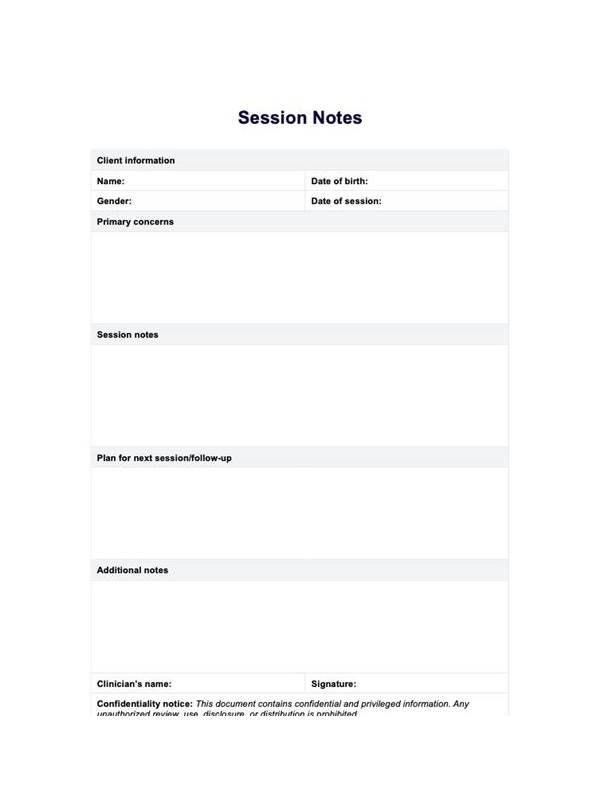
A short session note captures a few important decisions, while a full hand journal records the sequence of draws, discards, and changing plans. Neither format is automatically better. The useful choice depends on whether you need a quick habit or a detailed investigation.
Short notes are easy to maintain. After a hand, write the turning point, the discard you found hardest, and one question for later. This format works well when you play often or have limited time. Because it records only selected events, it encourages you to identify what mattered rather than copying every action.
The limitation is missing context. A later reader may not remember which cards were visible or why a route looked plausible. Short notes can also overemphasize the final result, especially when a successful choice happened to lead to a loss. Add one sentence about the evidence available at the time to reduce that bias.
A full journal provides more material. Record the opening structure, each meaningful draw, the active plan, and the reason for important discards. It is useful when studying a recurring mistake, comparing formats, or checking whether a habit works across many hands. The detail can reveal that a problem started several turns before it became obvious.
The cost is effort. A journal can interrupt concentration, and excessive recording may turn play into paperwork. Use it selectively: perhaps for one practice hand each week, not every casual session. Keep facts separate from later interpretation so the review remains honest.
You can combine both formats. Keep short notes during normal play, then expand one note into a full reconstruction when it raises a valuable question. Choose the smallest record that answers your learning goal. Consistency is more useful than a perfect archive that you stop maintaining.
Use the same headings when you record either format: situation, choice, evidence, and next question. These headings keep a short note from becoming only a result report, while preventing a long journal from turning into an unstructured story. If you share notes with a practice partner, remove account details and focus on the decision process. A repeatable format makes comparisons easier across different days, moods, and table conditions.
The format should support learning rather than create a second obligation. If writing begins to distract from play, shorten the note and finish the analysis later. A useful record is one you can maintain consistently.
Even one accurate sentence can preserve the key lesson.