Rummy How-To: Build a Discard History in Your Notes
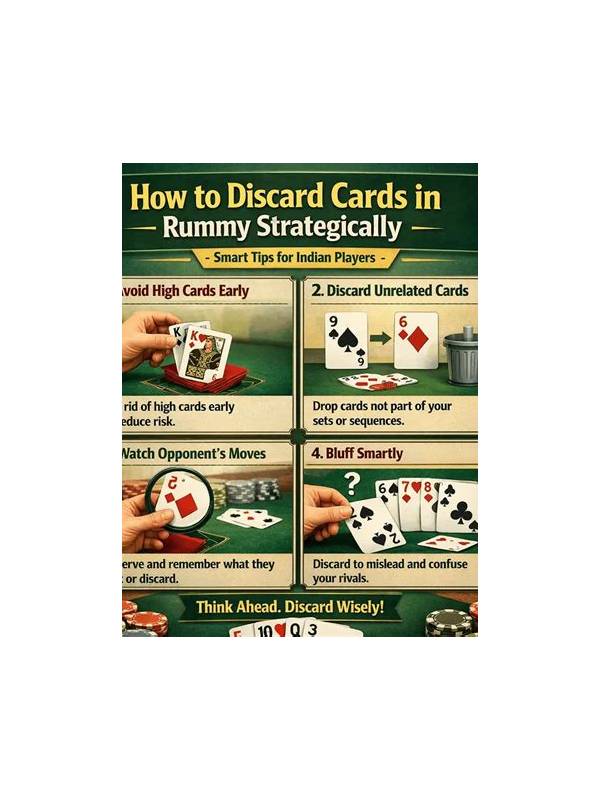
A discard history is a short record of cards that have already appeared. It can help you avoid waiting for a card that is no longer available and can reveal which suits or ranks other players may be avoiding. The record should be quick enough to maintain without distracting you from the current turn.
Choose a simple layout. Divide a page into suits, or write ranks in a single line with a mark beside each observed card. If the game uses jokers, give them a separate symbol. You do not need to record every action in full; the goal is to preserve decision-relevant information, not create a perfect transcript.
Update the record when a card enters the discard pile and when a card is taken from it. If the rules or interface make a card’s source uncertain, mark it as uncertain rather than inventing precision. A mistaken history is worse than a small incomplete one because it can create false confidence.
Use the history at decision points. Before chasing a sequence, check whether its missing connectors have already appeared. Before discarding a card, consider whether your action gives an opponent a useful visible resource. A history can also show that a rank is appearing often, making a set route more plausible, though it never guarantees the next draw.
Keep the notes readable. Use abbreviations you understand, and clear the page after each round. Do not spend so much time writing that you miss the hand’s changing structure. In a fast format, record only cards that matter to your current routes and review the rest after the round.
Over time, compare your decisions with the history. Did you continue chasing a card after evidence turned against it? Did you discard a useful connector without noticing its scarcity? The value of a discard history comes from better questions, not from collecting more symbols.
Separate confirmed observations from inferences. Use a plain mark for a card definitely discarded, and a lighter mark for a conclusion such as “this player may not want hearts.” The first is evidence; the second is a hypothesis that can change. If the game is too fast for notes, use the method during slower practice rounds.
Keep this note concise and use it to guide one adjustment in the next session. A small, repeatable change is more useful than a long list of corrections.
Write the adjustment in plain language and check it once during the next round. If it does not help, revise the method after play rather than changing several habits at once.