Rummy How-To: Use a One-Minute Pre-Game Checklist
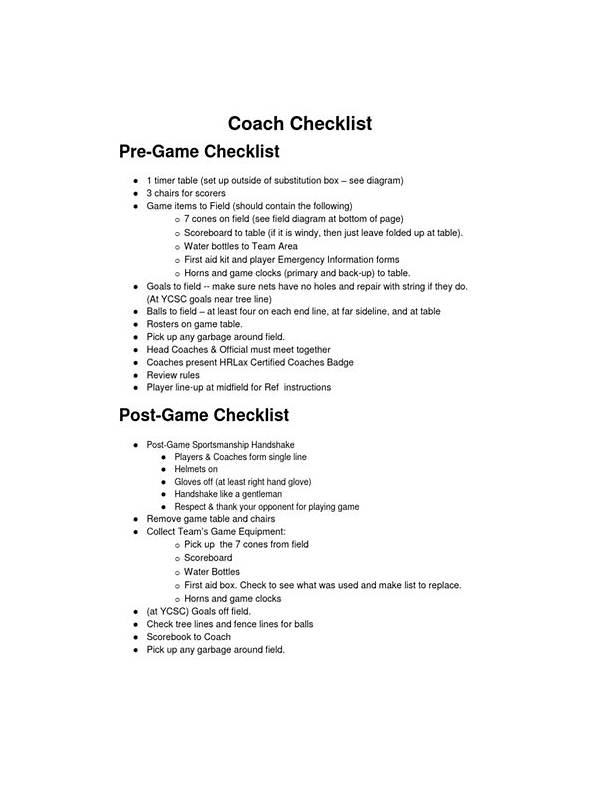
A pre-game checklist is useful because small distractions can affect decisions before the first card is drawn. Keep it short enough to complete every time. The purpose is preparation, not superstition and not a guarantee of a particular result.
Begin with the rules. Confirm the format, number of players, hand size, scoring method, declaration requirements, and whether jokers or special actions are used. If the platform has a help page, read the relevant rules before entering a table. Similar-looking formats can use different details, and discovering a difference mid-hand is avoidable.
Next, check your environment. Put the phone on a stable surface, reduce notifications, and make sure the screen is readable without rushing. If you are playing online, use a connection you trust and avoid switching networks during a hand. A low battery or crowded screen can turn an ordinary decision into a preventable error.
Set a session boundary before play. Decide how long you will play, how many hands you will review, and what signal will make you stop. If money is involved, set a budget that you can afford to lose and never treat a bonus, near miss, or previous loss as a reason to change it. A boundary is most useful when it is chosen while calm.
Prepare your attention. Take one slow breath and identify the first task: sort the hand, locate any required sequence, and observe the table. You do not need to predict the whole round. A narrow first objective reduces the urge to react to every visible card.
Finally, decide what you will record after the session. One note about a decision, a rule question, or a recurring distraction is enough. Avoid turning the checklist into a complicated ritual that delays play. In about a minute, you can confirm the format, protect your focus, set a safe limit, and choose a learning goal. That combination supports steadier play whether the hand goes well or badly.
If you are tired, distracted, or upset, the checklist can also be a stop signal. You do not need to begin simply because a table is available. A safe choice may be to practice with no money, review rules, or wait until your attention is suitable. Preparation includes deciding when not to play, and that decision should be respected just as firmly as the session limit.
Keep the checklist visible but private, especially when it includes a personal spending boundary. A glance should be enough to restart the routine. If it takes several minutes to complete, shorten it until it supports attention instead of replacing it.