Rummy Safety: Check a New Table Without Sharing Personal Details
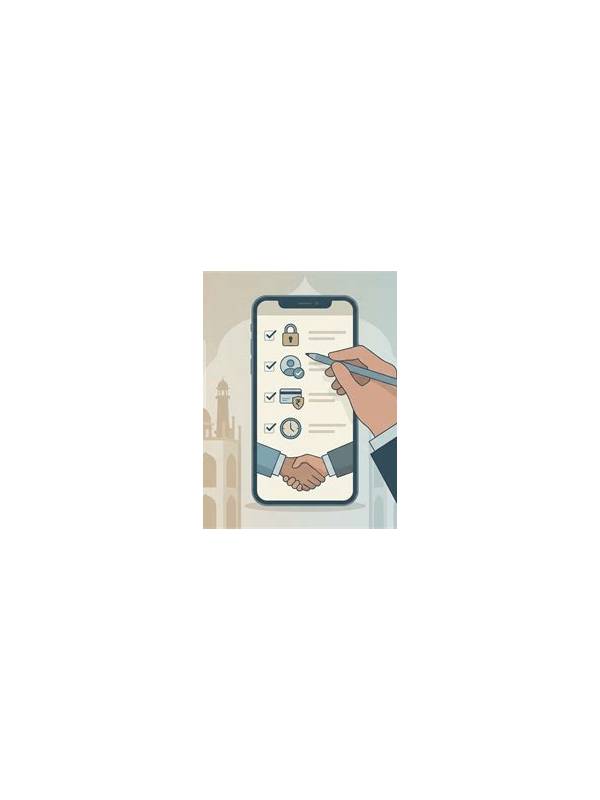
Before joining, decide what information you will never share in chat. This boundary is easier to follow when it is set before a persuasive request arrives or a table becomes emotionally intense.
If you need help, describe the problem without adding unnecessary identity information. An official support team may ask for a table reference or transaction reference, but provide only what the verified channel requests. Keep copies of correspondence privately, and be cautious of anyone who promises special access, guaranteed outcomes, or faster withdrawals in exchange for personal details.
Joining a new rummy table should not require exposing personal information. You can assess the environment through the displayed format, official rules, table controls, and general support options. If another player requests a phone number, password, payment proof, or verification code, keep the information private and use the official channel instead.
Start with the table label and rules. Confirm the game variant, hand size, scoring method, entry conditions, and timer. A familiar name does not guarantee familiar rules. If the details are missing or contradictory, do not rely on another player’s confident explanation. Leave the table or find the official help page.
Review the visible controls before committing. Identify how to view the rules, leave the table, report a problem, and contact support. Check whether the table shows a clear status for your turn and whether the declaration action has a confirmation step. Confusing controls create both play and privacy risks when players are pressured to act quickly.
Keep chat boundaries simple. Discuss the game if you wish, but do not post account names, contact details, location, identity documents, or payment information. Ignore requests to move support conversations to an unverified private channel. A legitimate issue can be reported using the platform’s listed route, with only the reference details needed to identify the table.
If the table feels unusual, take notes without recording sensitive screens. Write the table label, format, time, and the general issue. Screenshots should be cropped or redacted so they do not reveal balances, addresses, codes, or other players’ private data. Store the note securely and delete it when it is no longer needed.
A safe exit is part of table assessment. If the rules are unclear, the payment request is unexpected, or the conversation becomes pressuring, leave without arguing. Review the account through the official application and change security settings only through trusted controls. Your ability to exit calmly is more important than completing one round.