Rummy Table Safety: Check the Rules Before a Timed Round
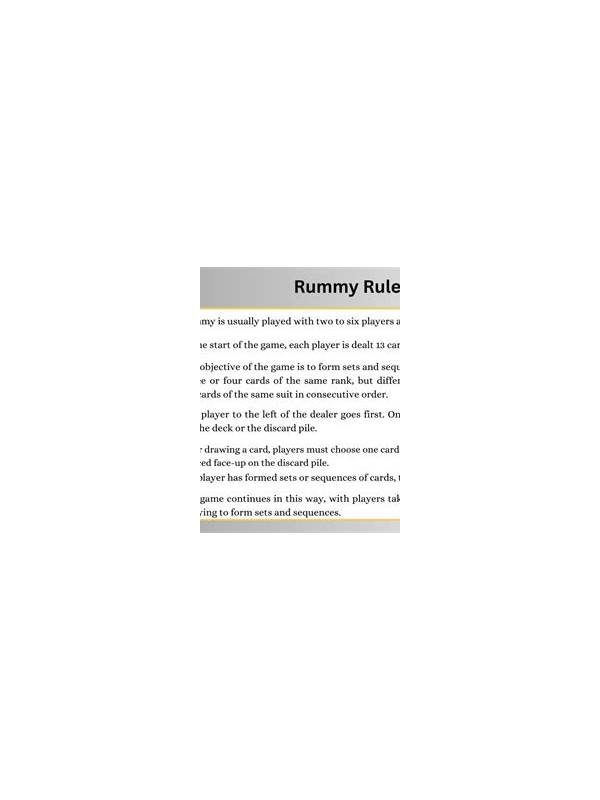
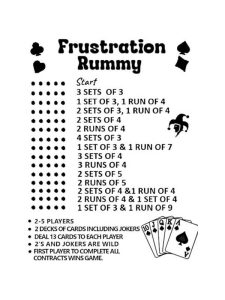
A timer makes small uncertainties more expensive. Before entering a timed rummy round, confirm the draw source, discard procedure, declaration requirement, and what happens when time expires. Rules vary between formats and platforms, so familiarity with one table does not guarantee familiarity with another.
Read the visible instructions before joining. Check whether a card is selected with one tap or two, whether the discard must be confirmed, and whether a declaration opens a final review. If practice mode is available, use it to test the controls. Do not wait until a valuable hand to discover that a button behaves differently from expected.
Confirm the scoring and entry information as well. Know whether points are counted for ungrouped cards, whether a drop carries a separate penalty, and whether the round is part of a larger contest. These details affect decisions, but they should never be inferred from another player’s behavior.
Prepare a simple timer routine. When the countdown begins to feel urgent, stop sorting every card and use the hand snapshot: confirmed groups, best route, safest discard, and fallback. If the interface freezes or a prompt changes unexpectedly, avoid repeated taps. Capture a non-sensitive note about the time and visible message, then use the platform’s support process.
A rules check is not a prediction of the hand. It is a way to protect attention for the decisions that matter. Once the basic mechanics are clear, you can focus on the cards instead of spending the first turns learning the table under pressure.
If the rules cannot be found or are written ambiguously, treat that uncertainty as a reason not to enter a consequential round. Ask support for a clear explanation through the platform’s normal channel, and keep the question factual. For practice, choose a table whose instructions are visible enough to verify. Confidence should come from understanding the procedure, not from assuming that every table uses the same convention.
A short checklist can be saved as a general reminder, but recheck it after updates or when changing variants. Small rule differences can alter the value of a drop, declaration, or timeout.
When rules are clear, a timer tests execution rather than basic comprehension.
If a table uses unfamiliar terminology, write down the definition before play. A precise word can prevent several rushed assumptions during the round.