Rummy Score Labels That Prevent Simple Mistakes
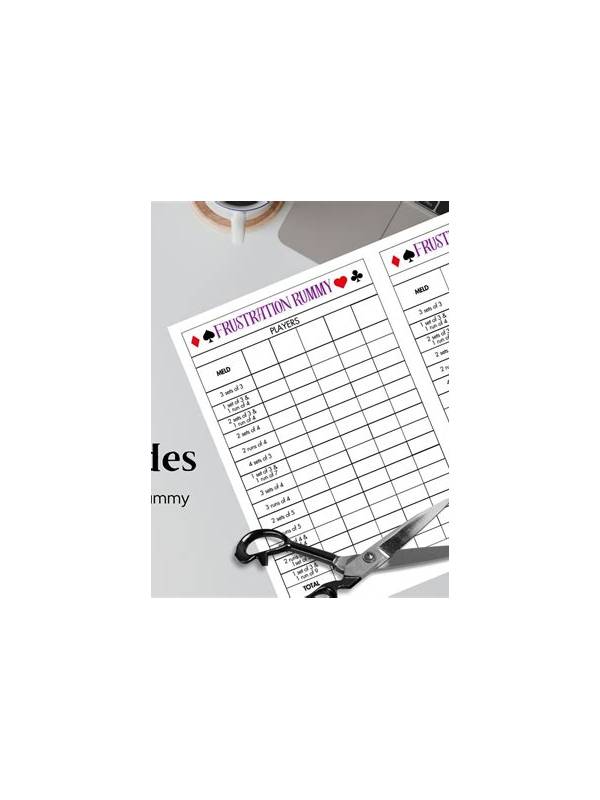
Scores become difficult to follow when a record contains unexplained numbers. A simple labeling system can prevent mistakes during a multi-round rummy match or a personal review. The best labels make the meaning of each number obvious without requiring you to remember the whole session.
Write the round number beside every result. If the format uses points, mark whether the number is for the hand or the running total. If penalties are shown, note their source using the exact wording from the rules when possible. “Hand 3: 20 points” is clearer than a loose note saying “score 20,” especially when several tables or formats are being compared.
Separate result categories. Use different columns for entry amount, score, penalty, bonus, and final total. A bonus should never be silently added to a score just because the number looks similar. If the service displays a balance and a game result on the same screen, keep those values in separate records. This avoids confusing money with points.
Review arithmetic at a natural pause. Add a running total only after the official result is visible, and compare it with the table summary. If the numbers differ, capture the summary and contact support through the official route. Do not edit the record to force agreement before you understand the discrepancy.
Labels also help learning. Add a short note such as “stopped at limit” or “timer felt rushed,” but keep the observation separate from the score. This preserves both the factual result and the context around it. A clean score record takes less effort than reconstructing a confusing session later, and it makes comparisons between formats much more reliable.
If you correct an entry, preserve the original value and add a correction note rather than silently overwriting it. This creates a small audit trail and helps explain why a total changed. Use the same date and time convention throughout. When sharing a record with support, send only relevant rows and remove private fields. Clear labels help you learn from the session and help another person verify a display problem. Avoid decorative abbreviations that only make sense to you in the moment. A future reader should understand the record without replaying the entire session. Clear labels are particularly valuable when comparing a points format with a deals format, because the same number can have a different meaning. Good records reduce confusion rather than adding another puzzle to solve.