Rummy House Rules and Standard Rules Compared
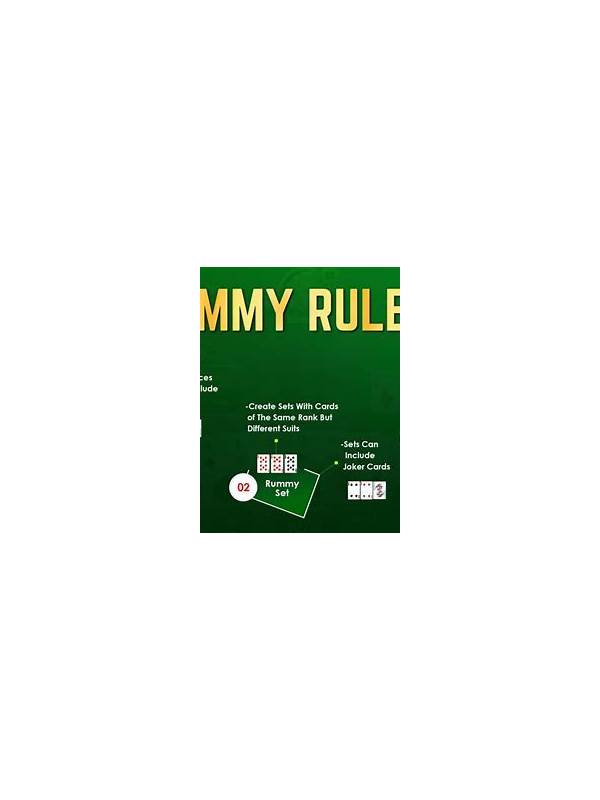
The word “rummy” covers several related games, and a table may use house rules that change important details. A player who knows one version can still make mistakes when switching to another. Comparing the local rules with the version you already understand is a practical way to prevent surprises.
Make a short comparison list. Check the hand size, number of decks, joker treatment, minimum group requirements, draw options, discard restrictions, declaration process, and scoring. Also check whether a player may drop, what penalty applies, and how ties or interrupted games are handled. These points affect decisions during play, so they deserve more attention than cosmetic differences in the interface.
Mark each item as the same, different, or unclear. Do not fill an unclear item with a guess. An example in the help page can clarify a rule, but an example may not cover every edge case. Use the official rulebook or support channel when the result could affect an entry, penalty, or payout.
Try the unfamiliar rule in a free practice setting. If a joker can substitute in one version but not another, create a sample hand and check the legal result. Practice is also a good way to learn the table’s wording for a declaration. Keep the test separate from a paid game so a misunderstanding remains inexpensive.
Finally, save the date or version of the rules you checked. Services can update formats, and an old note may no longer apply. A comparison is not a strategy promise; it is a map of the local conditions. When you know which assumptions transfer and which do not, you can approach a new table with clearer expectations and fewer avoidable errors.
Pay special attention to words that look familiar but have a local definition. “Joker,” “drop,” “show,” and “round” can describe different actions in different formats. Note examples alongside the formal wording, but give the formal rule priority if the two appear to conflict. If a help page is updated during your comparison, use the current version and record when you checked it. The cost of a misunderstanding is usually greatest after the first hand has begun. When rules remain unclear after reading, do not use a neighboring format as evidence. The names may be similar while the scoring is not. Ask one narrow question and wait for an official answer, or choose a table with complete documentation. This comparison habit keeps confidence proportional to what you actually know.