Rummy Device Battery Planning for Longer Sessions
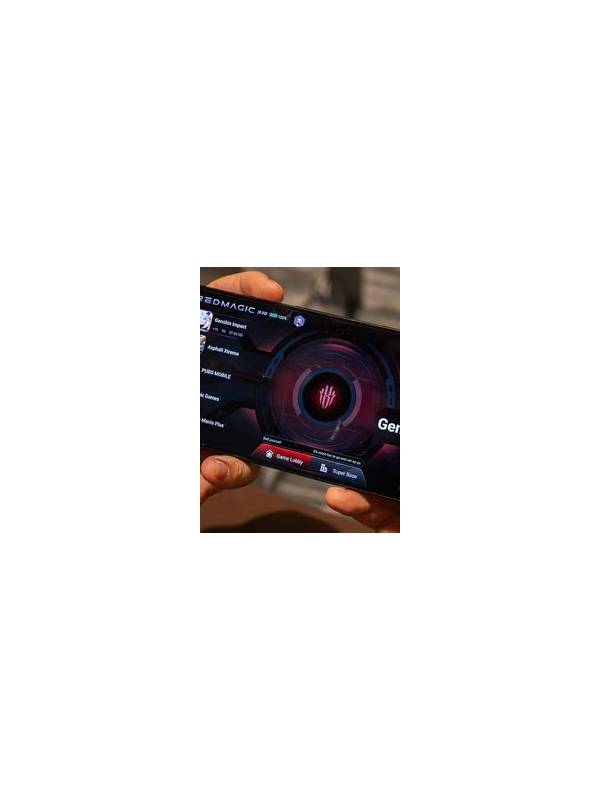
A low battery can turn an ordinary rummy decision into a connection problem. Planning the device before a longer session protects concentration and gives you a clear stopping point. Battery planning is especially important when the table uses timers or when a disconnect can end a round.
Begin with the expected session length. A short practice session may need only a charged phone, while a tournament could require several hours. Check the battery estimate after opening the app, because brightness, mobile data, video, and background processes can change the expected duration. If the estimate is close to your planned finish, choose a shorter session or charge first.
Use a stable charging setup. Keep the device on a hard, ventilated surface and use a reliable charger that fits securely. Avoid placing a phone under fabric or in direct heat while it is charging. A loose cable can interrupt play or make the device difficult to hold. If the cable crosses your hands, reposition the device before joining a timed table.
Reduce unnecessary drain without hiding important alerts. Lower brightness to a comfortable level, close unrelated applications, and disable nonessential notifications. Keep the connection method that is most stable in your location. Do not switch networks during an active hand unless the service specifically instructs you to do so.
Set a battery cutoff for yourself. For example, you may decide not to start another round below a chosen percentage. This prevents the familiar mistake of treating a warning as a reason to continue. If the device becomes hot, the screen freezes, or the battery falls unexpectedly, stop at a safe opportunity and investigate. A prepared device supports a calm session; it should never be a reason to ignore your own limits.
Keep a backup plan that does not depend on joining from a second unknown device. If you need to stop, follow the platform’s normal leave or disconnect instructions rather than moving rapidly between networks. A power bank can help with ordinary travel, but it does not solve an overheating device or an unstable connection. Treat a battery warning as useful information. Ending at a planned cutoff is better than hoping the phone survives one more timed round. A battery plan should include your comfort as well as a percentage. If the device becomes too warm to hold or the screen becomes difficult to read, stop even when charge remains. Keep charging equipment in good condition and replace damaged cables. Practical preparation works best when it protects the player, not only the device.