Two-Deck Rummy Rules to Confirm Before You Start
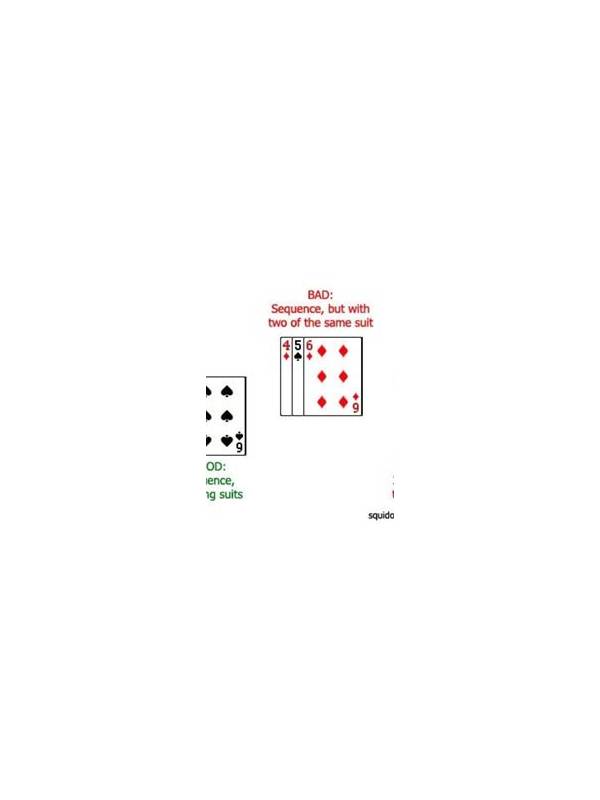
Rummy tables do not all use the same deck structure. Some formats use one standard deck, while others use two decks and jokers. Before starting, confirm the number of decks, hand size, joker rules, minimum meld requirements, and declaration procedure. Familiar words such as “sequence” may hide important local differences.
With two decks, duplicate cards are more common. A rank and suit that appears in another hand may still have a second copy available, but that does not mean it is safe to wait indefinitely. The larger supply can create more possible groups and more competing interpretations. Your plan should account for the table’s actual format rather than a rule remembered from another game.
Jokers also deserve specific attention. Ask whether printed jokers and wild jokers work identically, whether a joker can replace a card in every group, and whether a pure sequence is required before a declaration. Some formats permit a joker in one kind of set but not another. Read the current rules or help screen before relying on an old strategy.
Scoring can change as well. Check the penalty value of unmatched cards, the cap on a losing hand, and whether the table uses points, pool, or deals scoring. A hand that is sensible under one scoring system may be too risky under another. Make a quick note before entering a paid table.
If you cannot find a clear rules explanation, use a free or low-pressure mode first and ask support a general rules question. Do not rely on a player’s chat message as the final authority. Keep payment decisions separate from rules uncertainty. A trustworthy service should show the format, fees, and scoring in an accessible place.
Once the format is clear, adjust only one habit at a time. Notice duplicate cards, preserve the required pure structure, and review the scoring goal. Rules knowledge is a foundation; it does not remove randomness, but it prevents avoidable mistakes caused by importing assumptions from a different table. Pay attention to whether the platform labels a table as a variant. A familiar room name may include a different hand size or special wild-card setting. Make a checklist before play: decks, hand size, joker treatment, required sequence, scoring, and timeout policy. If any line is unanswered, postpone the entry until it is clear. Rules can change after an application update, so recheck a new room rather than importing yesterday’s assumptions.