Rummy FAQ: What Is a Clean Escape From a Weak Route?
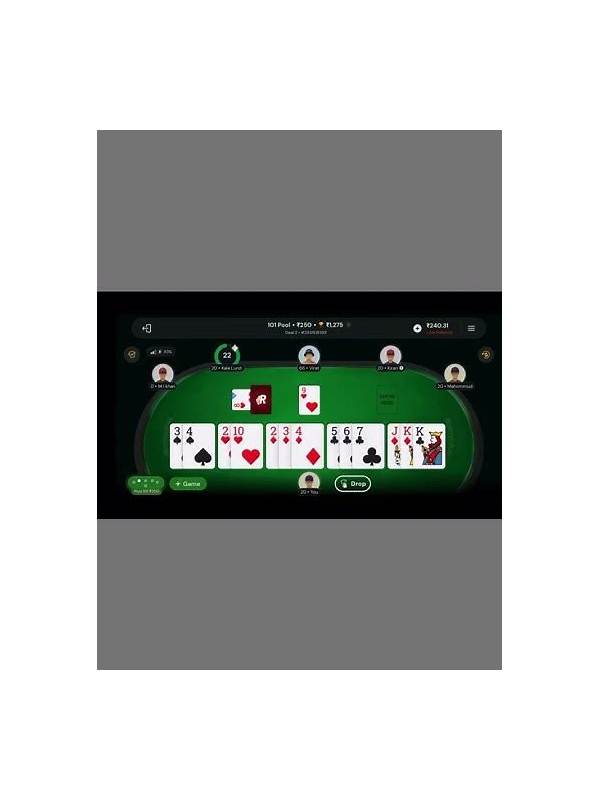
A clean escape is the point at which you leave a weak combination without creating a worse problem elsewhere. It does not mean the route was guaranteed to fail. It means the current evidence and cost no longer justify keeping it. Recognizing this point prevents a small investment from becoming a large commitment.
First, identify the route’s remaining obligations. Count the exact cards still needed and note whether the route accepts alternatives. If the route has become narrow, its escape point may arrive sooner. Next, inspect the cards supporting it. If those cards are also useful elsewhere, you may be able to release the route without losing much structure.
A clean escape should improve at least one of three things: hand clarity, leftover quality, or future flexibility. If discarding a route card leaves an isolated high card and no backup, the escape may be premature. If releasing it lets you join a nearly complete group or remove two awkward cards, the change has a clear benefit. Think in terms of the whole hand.
Visible information can move the escape point. Several needed cards appearing in the discard pile make the route less attractive. A new card that supports a different plan can also change the comparison. Do not wait for certainty. The goal is to respond to useful evidence before the route consumes all your options.
Use a pre-set trigger when possible. For example, you might leave a route after two unhelpful draws, when its only needed card becomes visible, or when it blocks a confirmed group. A trigger reduces emotional attachment, especially when the route looked promising earlier. It also makes your review consistent across hands.
The escape action should be simple. Place the weakest route card alongside your other discard candidates, check whether it helps an opponent based on visible information, and choose the discard that leaves the clearest next turn. Avoid replacing one vague route with another vague route in the same action. After the discard, name the new primary plan.
Review the escape later without judging it only by the final result. A route can fail after a correct decision to leave it, and it can succeed after an unnecessarily long hold. Ask whether the trigger was based on evidence, whether the replacement plan was clearer, and whether the hand had fewer obligations afterward. A clean escape is good decision hygiene, not a promise of a particular outcome.