Rummy Guide: Measure Meld Density Before Choosing a Route
Start with what is already working
When a rummy hand offers several possible directions, players often count the cards they hope to draw. That is useful, but it can hide the strength of the cards already connected. Meld density is a practical way to describe how much of your hand is already contributing to complete or nearly complete groups. It is not a formal scoring rule. It is a decision aid for comparing routes.
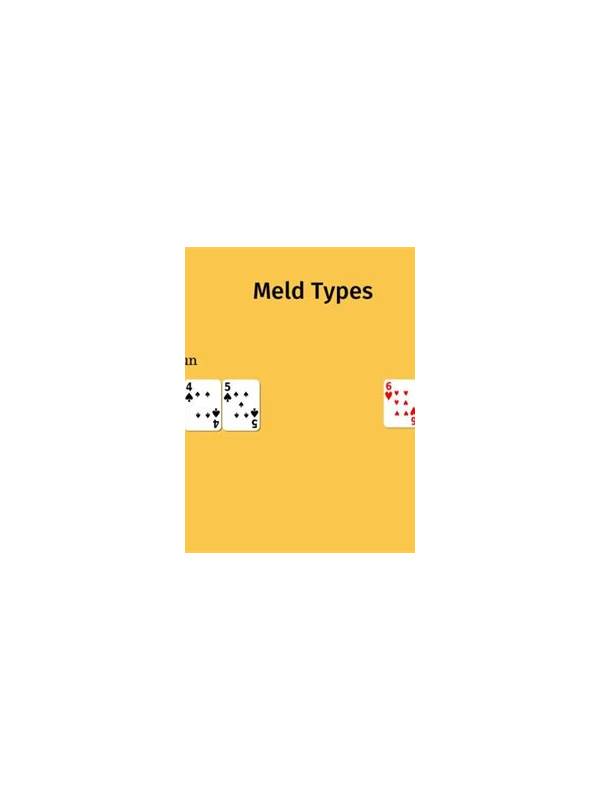
Begin by sorting the hand into three categories: confirmed groups, cards with a clear connection to one group, and isolated cards. A confirmed group might be a valid sequence or set under the table rules. A connected card could complete a group with one likely card, while an isolated card has no obvious partner. Count the cards in each category without counting one card twice.
Compare routes, not fantasies
Suppose one route uses a confirmed sequence plus two connected cards, while another route depends on four isolated cards finding specific partners. The first route has greater density even if the second route looks more exciting. Give the denser route an initial preference because fewer future draws must repair it.
This does not mean you must keep every connected card. A low-value connection may block a stronger route, and a flexible card can be useful in more than one arrangement. The point is to compare the amount of reliable structure each plan contains before you commit.
Recalculate after every meaningful draw
Meld density changes when you draw a card, see an important discard, or decide that a hoped-for card is unlikely. After each such event, ask three questions. How many cards are now part of confirmed groups? Which cards have one realistic connection? Which cards are consuming space without supporting a current plan?
The answers may favor a route you originally ignored. A hand that began with one attractive sequence can become weaker than a set-based plan after several related cards leave the discard pile. Treat density as a snapshot, not a permanent label.
Avoid double-counting flexibility
Flexible cards deserve special care. A card that could fit two routes may make both routes look denser than they really are. Mark it as shared, then assess each route after removing the card mentally. If both plans collapse without it, neither is secure yet. If one plan remains coherent, that plan usually has the better foundation.
Finally, use density alongside risk, points, and turn order. A dense hand is not automatically a winning hand, but it gives you a clearer starting point. By comparing confirmed structure, credible connections, and isolated cards, you can choose a route based on evidence instead of attachment to an attractive possibility.