Rummy FAQ: Is the First Useful Draw Always the Best Choice?
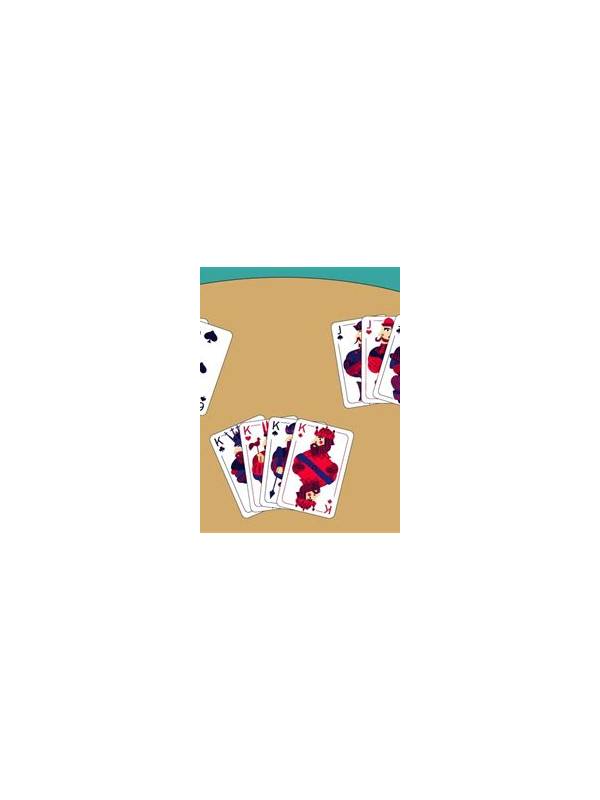
The first useful draw is exciting because it appears to answer the question your hand was asking. But usefulness has degrees. A card may complete a small pair while another route remains one card from a stronger sequence. Taking the first improvement automatically can hide the larger comparison.
When a draw helps, pause before reorganizing the hand. Identify exactly what improved: Did it complete a meld, create a second route, or simply make one card less isolated? Then compare that benefit with the routes you were already considering. An improvement is real, but it still has an opportunity cost.
Check whether the new route is independent. If it depends on the same missing card as your old route, your options may not have increased as much as they seem. Also check whether accepting the draw forces you to keep a costly card. A convenient pair can be weaker than a flexible connector if it leaves several high-value cards unresolved.
Timing changes the answer. Early in the hand, you can often accept a modest improvement while keeping alternatives alive. Later, a direct completion may deserve priority because stability is more valuable. The same draw can therefore be a side option early and the correct anchor late.
Use a one-sentence test: “If I keep this card, what is my next best draw, and what will I discard if it misses?” If you can answer clearly, the draw has a usable plan behind it. If keeping it only postpones a decision, compare it again with the rest of the hand.
The first useful draw should be respected, not worshiped. Let it improve your information and structure, then choose it only when its route is stronger, clearer, or safer than the alternatives.
This pause is especially important when the draw looks attractive because it matches a familiar pattern. Familiarity can speed recognition, but it can also produce automatic choices. Name the improvement, check the cost, and then accept the card with a reason you can explain.
If you cannot name the reason, keep the comparison open for one more moment. That tiny pause is often enough to notice a stronger alternative, a hidden dependency, or a discard that would leave the hand unbalanced. The best habit is not hesitation; it is deliberate commitment after a quick check.
This makes the draw a choice, not an automatic reaction.
That small pause protects flexibility and improves late-hand judgment.