Rummy Comparison: Saving a Joker Early Versus Spending It Early
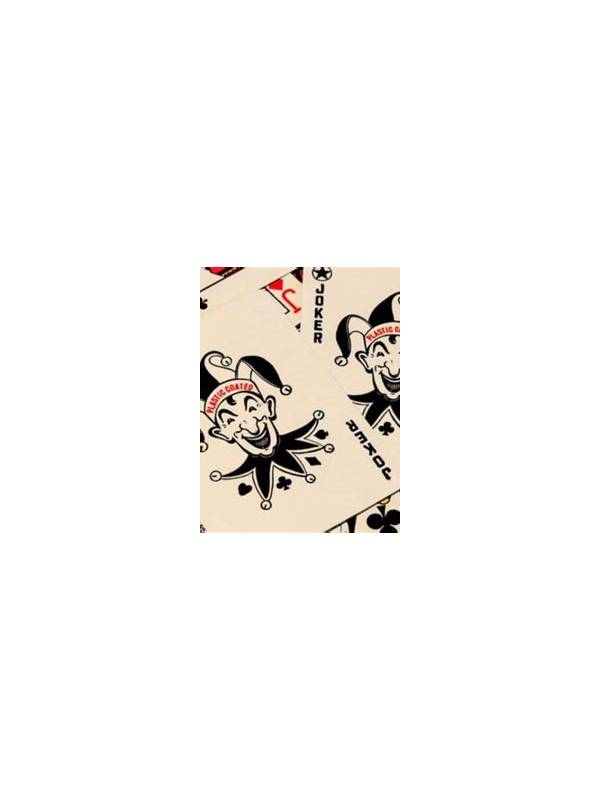
A joker is flexible, but flexibility has no fixed value. Saving it can protect a developing plan, while spending it can turn a weak group into a stable one. The right choice depends on what the joker is doing now and what it could realistically do later.
Saving a joker early makes sense when your hand has several promising routes. It can act as a bridge in a sequence, complete a set, or replace a missing card in a backup group. If you use it immediately, you may lock the card into the first plan you notice. Keeping it available gives later draws a chance to reveal which route is strongest. This is especially useful when the hand contains flexible middle cards and only a few isolated cards.
Spending a joker early is attractive when it removes a serious structural problem. If using it creates a legal group and leaves the rest of the hand easier to organize, the immediate certainty may outweigh future flexibility. The same is true when a high-value loose card is otherwise difficult to release. A completed group can reduce risk and make later decisions more focused.
Compare the two choices with three checks. First, what exact card does the joker replace? A replacement that completes a group is clearer than one that merely keeps a pair alive. Second, how many useful future jobs remain if you hold it? If every job depends on unlikely cards, the joker is being overvalued. Third, what is the next discard in each version of the hand? The stronger option usually leaves a simpler, safer disposal choice.
Rules for jokers differ across variants, so confirm how they work before relying on them. A group that appears acceptable in one format may not satisfy another format’s declaration requirement. Also check whether a joker can be moved after a group is formed. These details change the cost of committing it.
Do not treat either approach as permanent. A strong draw can justify moving a saved joker, and a failed route can justify freeing one from an early group if the rules allow it. The useful habit is to state the joker’s current job and its best alternative. That comparison makes the decision about the whole hand rather than the emotional comfort of possessing a wild card.
One useful exercise is to write two complete hands on paper: one where the joker is committed now and one where it remains unassigned. Give each version a planned next discard and one fallback. Then compare which version has fewer cards depending on a single exact draw. This does not reproduce every live-table factor, but it trains the eye to value structure. The joker should create clarity, not merely postpone a difficult choice. Revisit its job whenever a new card changes the balance.