
Indian Rummy Tips: Use a Missing-Card Map
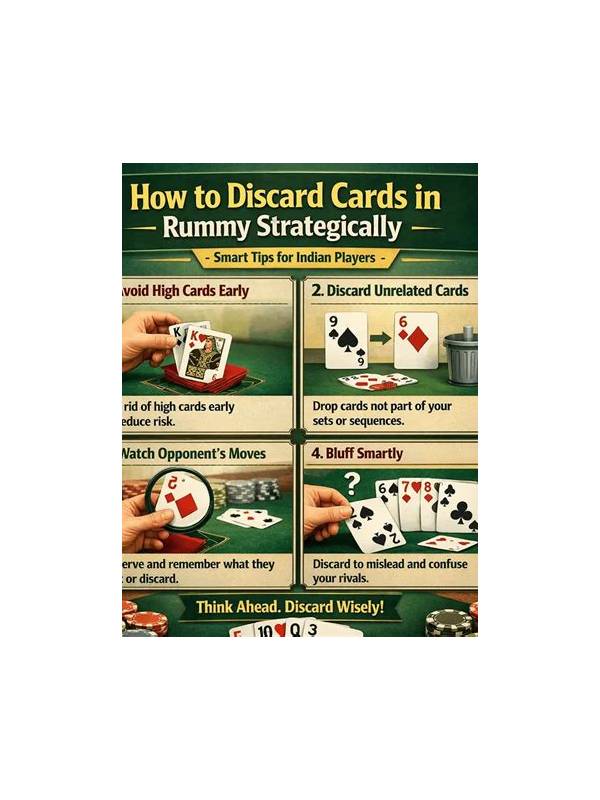
An unfinished rummy hand becomes easier to evaluate when you name its missing cards. Instead of saying that a group is “nearly ready,” write down the precise cards that would improve it. This missing-card map turns a vague feeling into a comparison you can use during the next draw.
Begin by sorting your hand into confirmed groups, possible groups, and unassigned cards. For every possible sequence, list the cards that would complete it. For example, a nine-ten combination has two immediate neighbours in the same suit, while a scattered set may need several ranks of one value. Do not count a card twice unless you are deliberately comparing alternative plans.
Next, mark the cost of each route. A group that needs one card may still be awkward if the needed card is specific and your other cards become stranded. A group that needs two cards may be worthwhile when it shares a useful connector with another plan. The map is not a promise of probability; it is a way to see how much commitment each idea requires.
When choosing between the stock and discard pile, compare the visible card with your map. Take a discard only when it has a clear job and does not force you to keep a high-cost card without a follow-up. If the top discard is not on your map, the stock may preserve more possibilities. If a discard completes a safe group, reassess the whole hand before taking it rather than acting automatically.
Update the map after every draw. A new card can remove a route, create a better route, or change which card is safe to release. Cross out completed needs and add the needs created by the new arrangement. Keeping an old plan in your head is a common reason players hold attractive but obsolete cards.
Finally, use the map to decide when to stop chasing. If one route needs three exact cards and another needs one flexible card, the second route usually deserves priority unless it creates an invalid final structure. A missing-card map will not eliminate uncertainty, but it gives uncertainty a visible shape. That makes decisions more deliberate and makes your post-round review much more specific.
Keep the map compact enough to use. You do not need a catalogue of every card that could theoretically help. Record the immediate, legal improvements that fit your current groups, then revise them when the hand changes. A small accurate map is more valuable than a detailed list that encourages you to chase remote possibilities.


