
Rummy Strategy: Count Waiting Cards by Quality
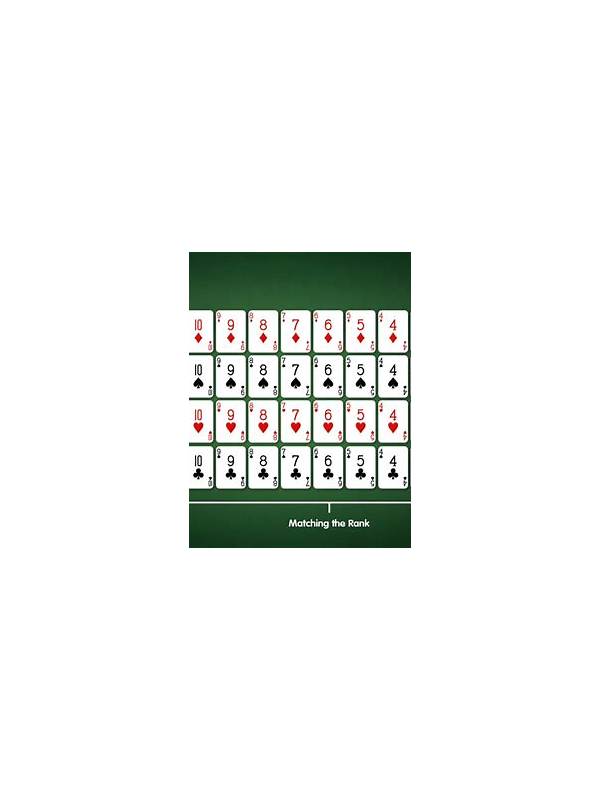
Players often describe a hand by saying it is “waiting on four cards.” That number can be helpful, but it is not the whole decision. Four theoretical outs are not automatically better than two dependable ones. A stronger review asks what each waiting card would accomplish, how likely it is to remain available, and what happens if none arrives soon.
Start by listing the exact cards that improve a possible group. Separate them into three categories: cards that complete a legal sequence or set, cards that create a new useful connection, and cards that merely preserve a future idea. The first category deserves the most weight. A card that closes a group has immediate value, while a card that only keeps several possibilities alive may still leave the hand unfinished.
Next, check flexibility. Suppose one draw completes a sequence in only one arrangement, while another draw can support two different arrangements. The flexible card is valuable because it can survive a later change of plan. This does not mean it is always the correct target. If the flexible card is also highly valuable to keep as an ungrouped card, the opportunity cost may be significant. Write down both the improvement and the commitment it creates.
Visibility matters as well. Cards already seen in your hand or in the discard pile should not be counted as available draws. In an online game, the interface may make the open pile easy to inspect, but it is still worth slowing down before relying on a card that has already appeared. When you are unsure whether a card remains possible, label the draw as uncertain rather than pretending the count is exact.
Finally, attach a time limit to the plan. A narrow draw can be reasonable early in a round when the rest of the hand is stable. The same draw may become poor late in the round if it leaves several ungrouped cards. A simple rule is to recheck after each miss: how many useful cards remain, what is the penalty for another miss, and can a safer discard reduce the downside?
This method turns “I am waiting on four cards” into a better comparison. You are not chasing the largest number; you are comparing completion value, flexibility, visibility, and timing. That small distinction encourages calmer choices and makes post-game reviews more specific. Record which waiting card you preferred, what you expected it to do, and whether the expectation was realistic. Over several sessions, the notes will show whether you routinely overvalue broad but weak possibilities.


