Rummy FAQ: Why Is a Safe Discard Not Always the Best Discard?
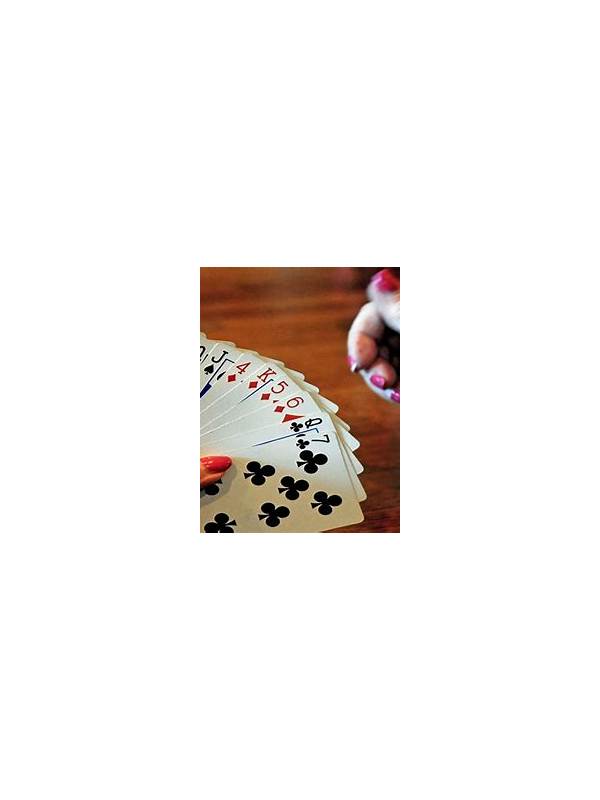
A safe discard is usually described as a card unlikely to help another player. That is useful information, but it is only one part of a discard decision. The best discard should also improve your own hand, preserve a legal route, and leave a reasonable response to the next draw.
Imagine two cards that appear equally harmless. One is an isolated high card, while the other is a low card that could connect to two possible sequences. Discarding the high card may reduce your penalty immediately, but keeping it might not matter if it has no route. The low card may be safer for opponents, yet it may be your only flexible exit. Your own structure should be considered before table risk.
Also examine what the discard communicates. A visible card can confirm or contradict a pattern that another player is watching. A seemingly harmless card may complete an opponent’s group, while a more useful-looking card may be irrelevant because its matching route is already blocked. You cannot know another hand with certainty, so treat this as a risk factor rather than a reason to freeze.
Use a three-part comparison: personal improvement, opponent exposure, and future flexibility. Score each candidate informally as strong, medium, or weak. If one card is clearly worse for your hand and only slightly safer for the table, release it. If the cards are close, prefer the discard that leaves more ways to repair your next turn.
The phrase “safe discard” should therefore be a prompt, not a conclusion. Ask safe for whom, safe for how long, and safe at what cost? A balanced choice reduces your own uncertainty while avoiding unnecessary help to others. That is more reliable than selecting the card that merely looks least interesting. Timing matters too. A discard that is acceptable early may be poor when another player appears close to declaring, because the value of helping them has changed. Conversely, protecting every potentially useful card late can leave you with no clean exit. Recheck the table context without trying to read minds. Your priority remains a valid hand and manageable penalty. Opponent awareness should refine the choice, not replace the basic question of which card you can afford to lose. This balance is easier when you name the primary objective for the turn. It might be reducing penalty, preserving a route, or avoiding a dangerous giveaway. Once named, the discard can be judged against a real priority instead of a vague idea of safety.