Rummy How-To: Build a Personal Decision Checklist
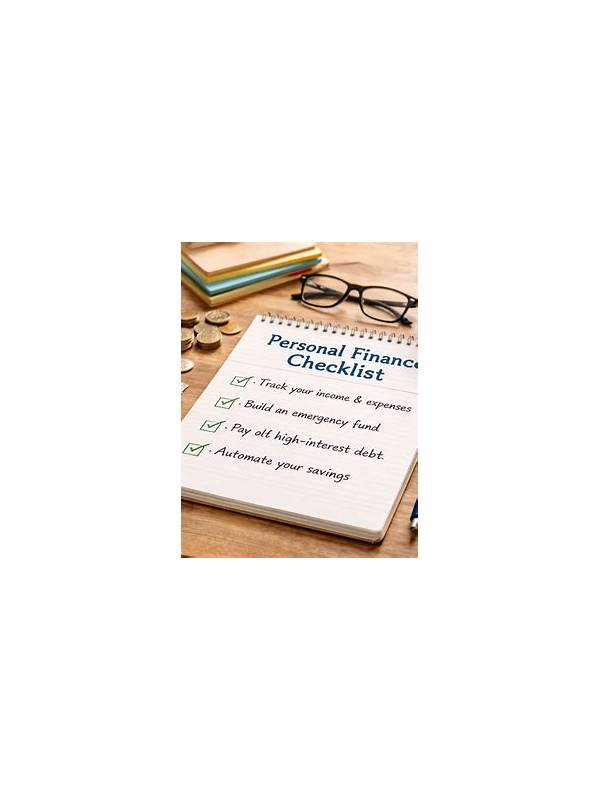
A checklist is useful when it captures your recurring errors without becoming a second rulebook. Build one from actual decisions, keep it short, and test each item in practice before relying on it at a live table.
Start with three moments that often cause trouble: after a draw, before a discard, and before a declaration. For each moment, write one question that protects the most important requirement. After a draw, you might ask what became legal. Before a discard, you might ask which route would be hardest to rebuild. Before a declaration, you might ask whether every group satisfies the format rules.
Use observable language. “Play intelligently” is too vague. “Can I name the next useful target?” is answerable. “Avoid bad cards” is vague; “what evidence supports keeping this card?” is more useful. Each question should prompt an action or a clear decision.
Limit the first version to five items. If the checklist is long, you will skip it when the table is busy. Put legality and boundary checks first, then one or two strategy questions that match your personal pattern. A player who waits too long needs an exit question; a player who changes plans too quickly needs an evidence question.
Practise the checklist with old hands or simple examples. Mark whether each question produced a different action, clarified the choice, or merely repeated information you already knew. Remove items that never affect a decision. Keep items that catch a real error even if they feel obvious.
Review the checklist after several sessions. Add a new item only when the same avoidable problem appears more than once. Rewrite items that require too much time. Your checklist should evolve from evidence, not from every moment of frustration.
A checklist does not replace understanding the rules or reading the hand. It protects attention when the decision is crowded. The best version is brief enough to remember, specific enough to use, and flexible enough to yield when new information genuinely changes the plan.
Keep the checklist where it will not expose private account information. A small paper card with general questions is safer than a screenshot containing a hand, username, or transaction detail. The checklist should support responsible, legal play across formats; it should never encourage bypassing platform controls or continuing when your personal limits have been reached.
Read the checklist once before a session and once after it, rather than interrupting every turn to recite it. Before play, it sets the intended habits. After play, it shows which questions were useful. This keeps the checklist light enough for ordinary use while preserving a feedback loop that can improve the next version.