Rummy Hand Geometry: See Gaps Before You Choose a Route
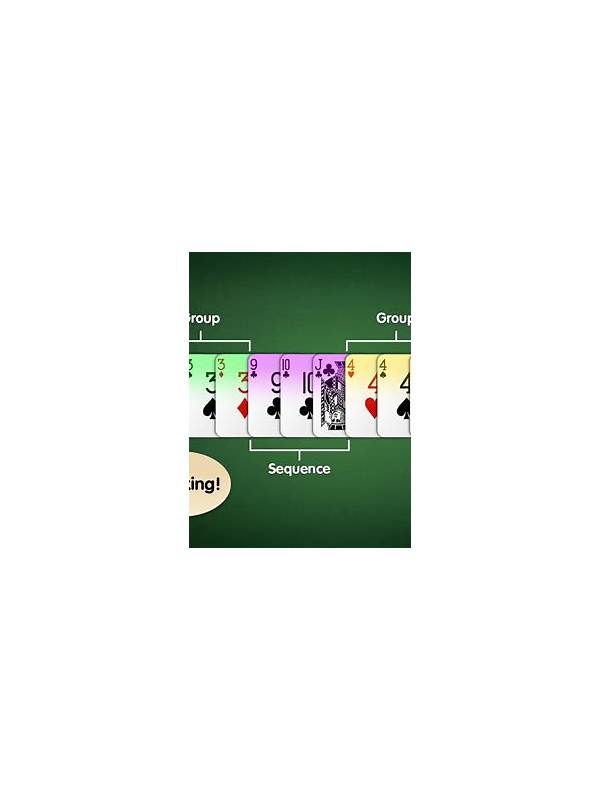
Hand geometry is a way to describe how cards relate without assigning a story to every card. Instead of asking which card feels lucky, map your hand into connected blocks, one-card gaps, and isolated pieces. This picture makes route selection less emotional and helps you notice where a single draw would create the greatest improvement.
Sort by suit first, then by rank. Mark adjacent cards in the same suit as a block. For example, six and seven of one suit form a short connection even if they are not yet a sequence. A five and seven create a one-card gap. A king with no neighboring card is isolated for sequence purposes, although it may still belong to a possible set with matching ranks.
Next, mark cards that participate in more than one idea. A card such as seven of hearts may connect to five-six or eight-nine in the same suit and may also pair with other sevens. These are high-flexibility cards. By contrast, an isolated high card usually has fewer routes and may carry more penalty if it remains ungrouped.
Do not confuse a visually long block with a legal group. A connected run may still need to be checked for sequence rules, and a group of equal ranks may not satisfy the pure-sequence requirement. Geometry is an inventory tool; the rules decide whether the proposed arrangement is valid.
Choose a route by comparing improvement size. A draw that turns a one-card gap into a three-card sequence may be more valuable than a draw that adds one card to an already flexible pair. Also compare the discard cost: protecting a strong block may require throwing away a card that another player could use.
Re-map after every meaningful draw. Hands change shape quickly, and an old plan can remain attractive only because you remember the work already invested in it. A fresh map shows whether the new card created a bridge, closed a gap, or merely added another isolated possibility.
Hand geometry does not predict the next card. It gives you a neutral language for evaluating the cards you actually hold. That is enough to make route choices clearer and to reduce the temptation to build a plan around one exciting but unsupported possibility.
You can practice with a small set of sample hands. Give yourself one minute to mark blocks, gaps, and isolated cards, then explain which feature influenced your first discard. Compare that explanation with a second route. The exercise is successful when you can describe trade-offs clearly, even if neither route is guaranteed to finish.