Rummy How-To: Reconstruct a Round From the Final Hand
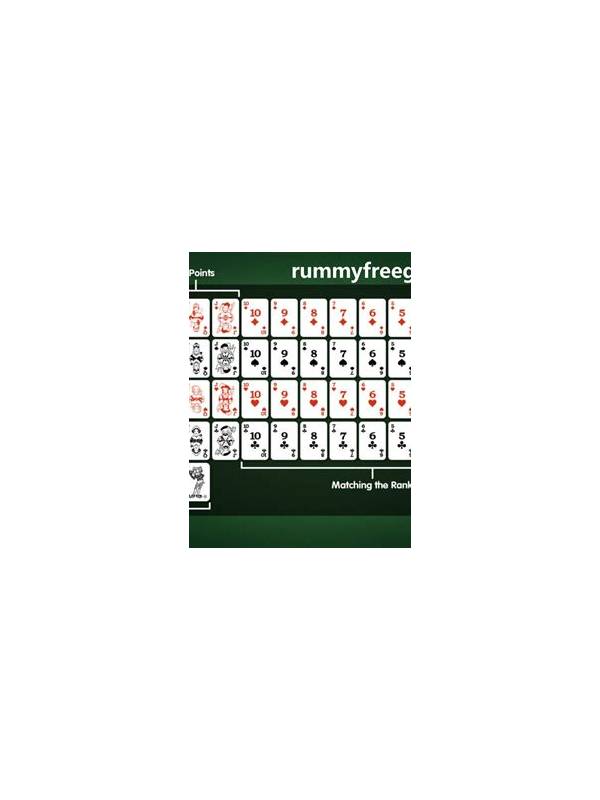
A final score tells you what happened, not necessarily why. Reconstructing a round helps you find the decision that changed the hand’s direction. The exercise can take five minutes and does not require a complete memory of every table action.
Start with the opening hand and the final legal arrangement, if available. Mark which original cards stayed in the hand and which were discarded or replaced. This shows whether the initial route survived or whether the hand gradually moved into a different structure. Neither outcome is automatically good or bad.
Next identify the first meaningful turning point. It may be a draw that created a strong group, a discard that removed a useful bridge, or a moment when the pure-sequence requirement was finally secured. Write down the alternatives you remember. If you cannot remember them, record the question you should have asked at the time.
Trace the largest changes. Which card was retained longest? Which card was repeatedly considered but never assigned a clear job? Did a flexible card actually support several routes, or did it keep you from committing to any route? Look for decisions that consumed multiple turns without improving legality or reducing risk.
Check the information available then. Do not criticize a decision using cards that were revealed later. Reconstruct the hand from the player’s earlier viewpoint. A route can be reasonable even if it failed, and a winning route can still be poorly supported. Separate the quality of the decision from the luck of the draw.
Finish with one transferable lesson. Examples include checking pure-sequence status earlier, ranking replacement costs, or setting a review point for an unproductive pair. Avoid writing ten lessons; too many rules are hard to use. Apply the single lesson in your next practice round and see whether it improves clarity.
Round reconstruction turns results into usable evidence. It rewards accurate observation and thoughtful revision, not self-blame. Over time, short reviews reveal patterns that a dramatic win or loss can hide.
Keep reviews private and factual. Do not share another player’s identifying information or screenshots merely to prove a point. A simple card list, decision note, and lesson are usually enough. The purpose is to improve your next process, not to build a case against someone else at the table. If the final arrangement was invalid, begin with the rule that failed. Then work backward to the earliest turn when that failure could have been detected. This often produces one clear practice habit instead of a vague feeling that the whole round was confusing.