Rummy How-To: End a Session With a Useful Note
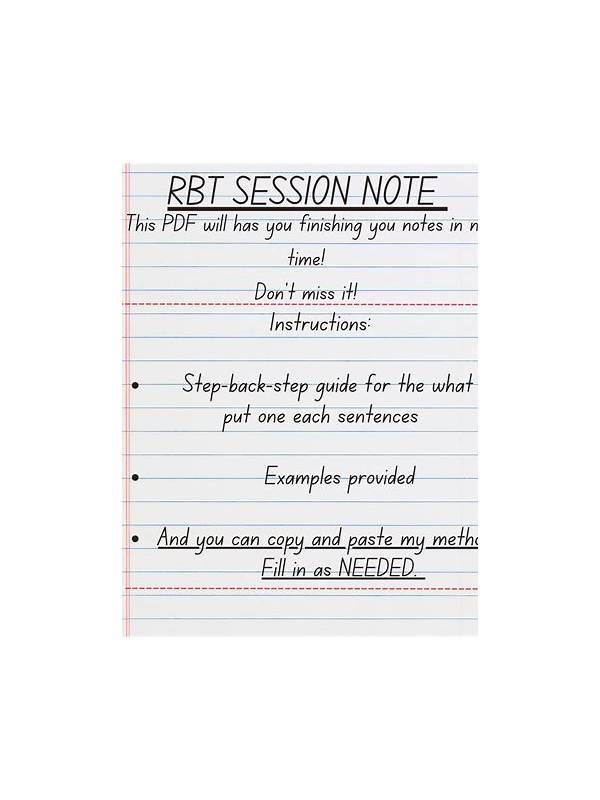
Ending a rummy session well is part of learning. Without a closing routine, a surprising loss or exciting win can keep replaying in your mind, while the useful details disappear. A note of three or four lines is enough to capture what matters and create a clean stopping point.
First record the boundary result: did you stop at the planned time and stay within the planned budget? This is separate from the game result. A session can be strategically disappointing but responsibly controlled, or strategically successful but outside the limits you intended. Keep those evaluations distinct.
Next write one decision that worked and one decision you would inspect. Describe the situation rather than judging yourself. “I preserved a pure-sequence route after the pair became crowded” is more useful than “I played well.” “I waited on a single connector while holding two costly cards” identifies a review target without claiming that the outcome alone proves the choice was wrong.
Add one experiment for the next session. It might be checking your discard queue after every draw, naming a reserve route, or taking a break after a fixed number of hands. Choose only one. A single test creates clearer evidence than changing five habits at once.
Finally, close the game and leave the result in the note. Do not reopen a table simply to repair the feeling left by the last hand. Return to the experiment at a planned time, when your attention and budget are available. A useful note turns the session into information, then gives you permission to move on.
Keep the note private and factual if the session involved real-money play. Do not include passwords, full payment details, or information about another player. A date, format, boundary result, one observation, and one experiment are enough. After writing, close related screens and avoid checking results repeatedly. If you are upset or exhausted, record the boundary result and postpone analysis. The closing routine succeeds when it protects both learning and recovery. Tomorrow’s review will be clearer because tonight’s boundary is complete. Leave the result until your next planned review. A clean ending is itself a useful skill, especially after an emotional hand. The routine ends the review and protects the rest of the day.