Rummy Guide: Use a Route Map for Unfinished Cards
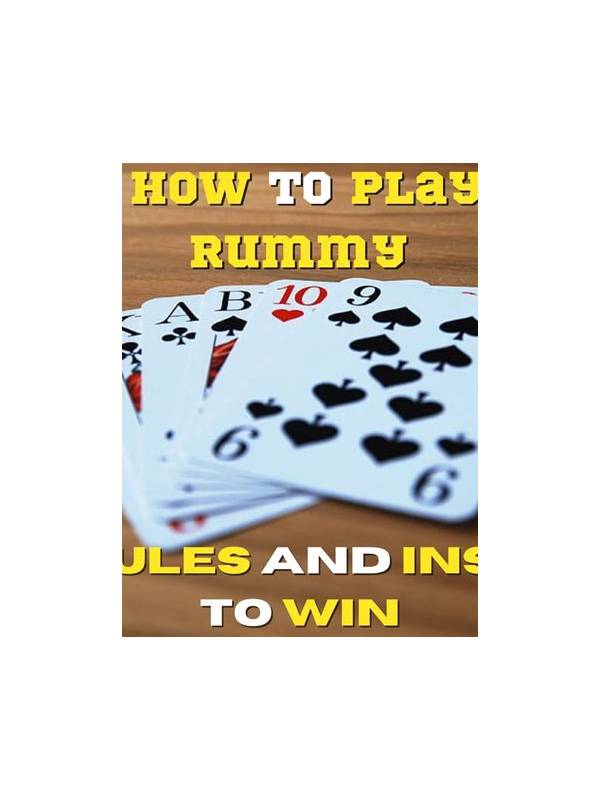
When a hand contains several loose cards, it is tempting to connect everything at once. A route map is a simpler approach: give each unfinished card or pair a limited number of possible destinations, then compare those destinations by credibility. The map helps a player see where the hand is genuinely flexible and where it is merely hopeful.
Draw the map after sorting cards by suit and rank. For each loose card, note nearby cards that could extend a sequence and same-rank cards that could support a set. Do not list every theoretical possibility. Exclude routes that require breaking a protected group or depending on several unseen cards. A useful map is selective.
Mark each route as strong, open, or narrow. Strong means the structure is already close and more than one useful card can help. Open means two or more routes remain plausible. Narrow means the route depends on one exact card or an unlikely combination. This language prevents a narrow hope from being treated like a strong plan.
Next identify overlaps. A card that serves two routes is a bridge, and bridges deserve attention. Keeping a bridge can preserve flexibility, but holding too many bridges can leave the hand crowded with unfinished material. Choose the bridges that protect a required structure or connect routes with realistic completion chances.
The map should also show dead ends. A high card with no nearby connection, a pair whose missing companions are visible in discards, or a route that conflicts with the required sequence may be a dead end. Naming it makes the discard decision easier. A dead end is not a failure; it is information about what the hand no longer needs.
Update the map after important draws and discards. If a route becomes strong, promote it. If its key card appears in the discard pile or is used by an opponent, downgrade it. The map is a working model, not a promise.
With practice, the process becomes a quick mental scan: what is protected, what is open, what is narrow, and what is dead? This keeps the hand manageable and makes each draw answer a specific question. The goal is not to predict every card. It is to spend attention on routes that can actually lead to a valid finish.
You can keep the map minimal by using four questions: what is protected, what is nearly ready, what depends on one card, and what has no job? Answering them after a draw takes less time than rebuilding the entire hand.