Rummy Table Rotation: When Switching Formats Helps Practice
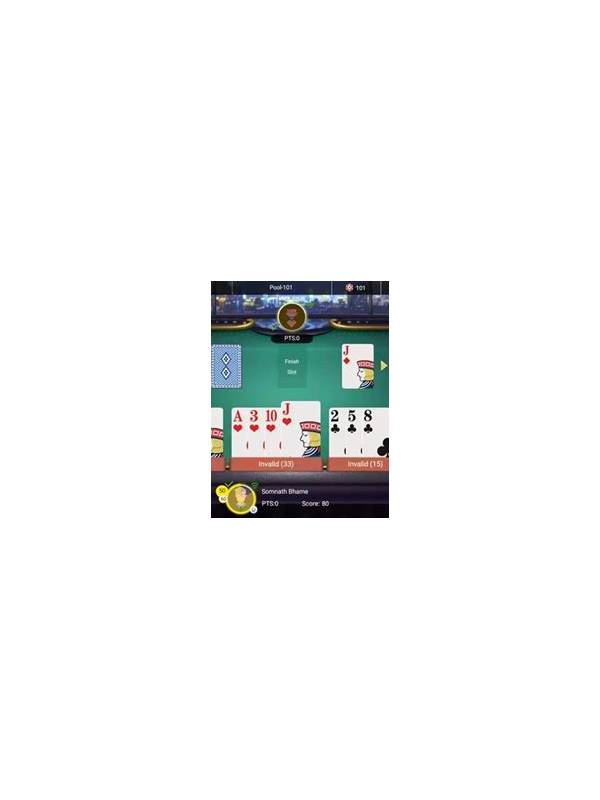
Switching between rummy formats can broaden your understanding, but random table hopping often creates confusion. Points, pool, deals, practice, and tournament tables may use familiar cards while rewarding different decisions. A deliberate rotation works best when each change has a reason and when you record what the new format actually changed.
Begin with one anchor format. Play or study the same variant long enough to understand its turn order, scoring, declaration rules, and usual pace. Without an anchor, every unfamiliar result can be blamed on the format. Before moving, write down the skill you want to test: grouping cards, protecting a pure sequence, managing points, or deciding when to stop.
Change one variable at a time. If you switch format, table speed, stake, and device together, the comparison becomes unreliable. Keep the session length and attention level similar. If a practice table is slower than a live table, note that difference instead of concluding that one format is automatically easier. Conditions shape decisions as much as rules do.
Use a short pre-table checklist. Confirm the number of cards, joker treatment, valid declaration requirements, scoring method, timer, and what happens if a connection fails. Read the platform’s current rules rather than relying on a familiar name. Similar labels can hide important differences. If any rule is unclear, use a lower-pressure practice setting or postpone the switch.
During the new format, track decisions rather than only wins. Mark moments when the scoring system changed your discard, when the timer changed your review, and when a format rule forced a different grouping. These notes make the comparison concrete. “I felt uncomfortable” is less useful than “the shorter timer left no time for a second legality check.”
Afterward, compare three outcomes: understanding, decision quality, and comfort. A format may be valuable for learning even when it produces poor short-term results. If the new table encourages rushed or emotional play, reduce the intensity and return to practice. Rotation should expand your skills without becoming a reason to keep playing longer.
End with a clear choice. Keep the format in your routine, use it only for a specific drill, or set it aside until a missing rule is understood. A planned rotation turns variety into information. An unplanned rotation usually turns information into noise.
It can help to rotate only after a short review day. Write one rule difference, one decision difference, and one comfort difference. If you cannot name all three, the switch may be adding novelty rather than learning. Return to the anchor format, clarify the missing point, and try again under a calmer condition.