Rummy Tips: Check Route Overlap Before Keeping a Card
What route overlap means
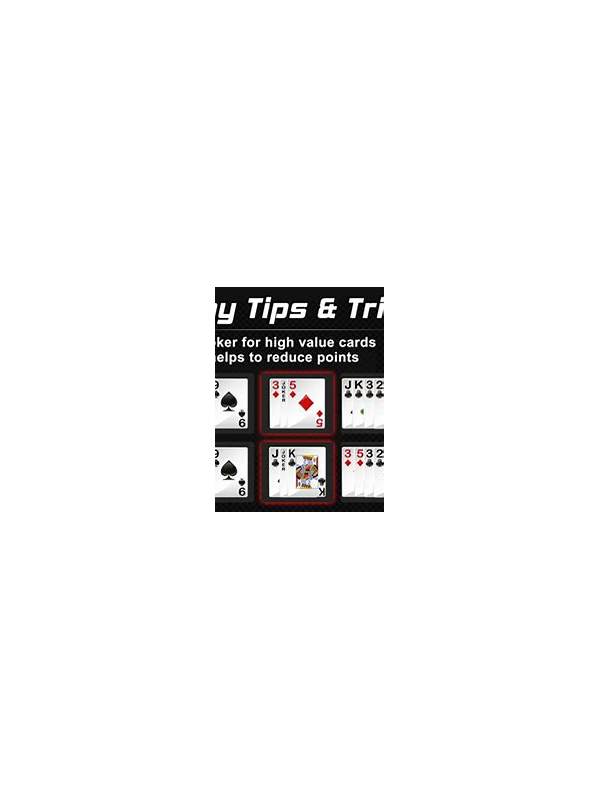
Route overlap occurs when a card supports two or more possible arrangements. For example, a middle card may connect to neighbors in the same suit while also helping a potential group. This flexibility can be valuable, but it can also hide a crowded hand in which several plans depend on one uncertain card.
Start by listing the roles a card could play. Do not count every imaginable combination. Include only routes that can be completed with a realistic number of cards and that fit the rules of the format. A card with two credible roles has more flexibility than an isolated card, but its value depends on whether the rest of the hand can support either role.
Next, look for shared dependencies. If three separate plans all require the same missing card, they are not truly three independent routes. Treat them as one fragile route. Conversely, two plans that need different suits or ranks may provide genuine alternatives. This distinction prevents you from overestimating a hand merely because it can be described in many ways.
When choosing a discard, compare overlap with completion distance. A card supporting two nearly finished plans may be worth keeping. A card supporting two distant plans may be less useful than a card supporting one immediate completion. The best choice often balances flexibility today with the number of practical draws still available.
Discarding a high-overlap card can be correct when it blocks a stronger structure. Suppose one card links two attractive but conflicting groups. Keeping it may force the rest of the hand to wait for a narrow combination. Removing it can simplify the hand and give the remaining cards clearer jobs. Flexibility is useful only when it can be converted into progress.
Review route overlap whenever the hand changes significantly. A new draw may turn a shared dependency into a completed group or may make two routes compete for the same slot. Five seconds of reassessment can prevent you from following an outdated plan. Think of overlap as information about optionality, not as a promise that every option will arrive. An example makes the distinction clearer. Suppose a middle card can join a same-suit run or match a rank pair. If both routes need unrelated cards that are still plausible, the middle card has genuine overlap. If both routes require the same single missing card, the apparent flexibility is only duplicated hope. Record the stronger route and evaluate the other as a backup. This small distinction improves discard timing because you stop treating repeated descriptions as independent evidence. Overlap is most valuable when it creates separate ways to improve, not when it merely gives one card several names.