Rummy Middle Game Planning When the Hand Changes
The middle of a rummy hand is where an attractive opening idea either becomes a real structure or quietly stops being useful. Players often lose time by defending an early plan after the available cards have changed. A better method is to pause, re-sort, and make a fresh assessment.
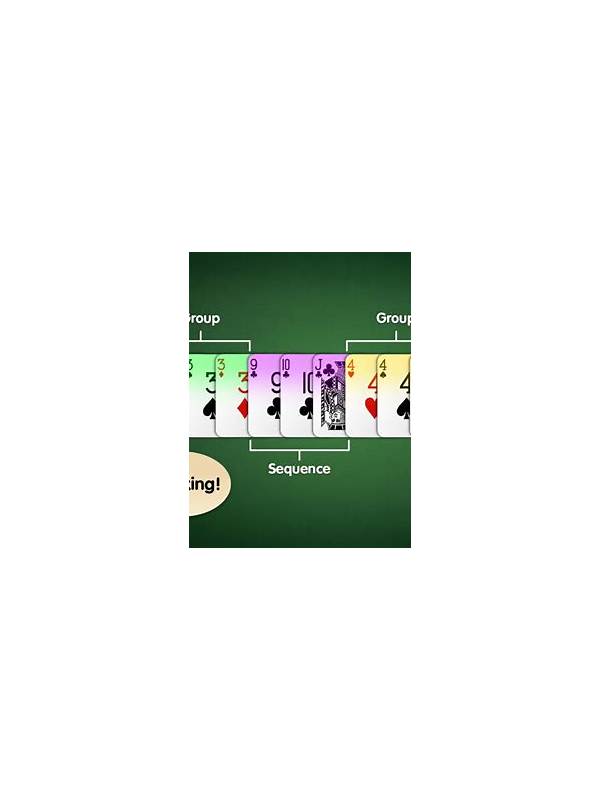
Start with the groups that are already complete or nearly complete. Separate confirmed sequences and sets from possible combinations. This distinction matters because a possible group still has a cost: it occupies cards that may be needed elsewhere. Write down, mentally or on a permitted personal score sheet, which cards are doing double duty. They are often the source of difficult decisions.
Look at the draw history without trying to reconstruct the entire deck. If several cards of one suit have appeared, a missing connector may be less likely, although it is never impossible. More importantly, observe what opponents take from the discard pile. A visible pickup can suggest a direction, but it should be treated as a clue rather than proof. Players sometimes collect a card for a different purpose than you expect.
At the midpoint, assign each ungrouped card one of three labels: useful now, useful with one realistic improvement, or unlikely to help. The third category deserves attention because keeping it consumes space and may increase penalty points. Discard one such card when doing so does not expose an immediate improvement for another player.
Also check whether your hand satisfies the rule requirements for declaring. In many Indian rummy formats, a valid declaration needs at least one pure sequence and enough additional valid groups. The exact table rules can vary, so use the displayed rules for the room you are playing. Do not assume that a nearly finished hand is safe merely because it looks tidy.
Finish the review by choosing one modest objective for the next turn: complete a natural sequence, reduce a high card, or replace a weak group. A narrow objective is easier to evaluate than a vague hope of improving everything. When the hand changes again, repeat the process. Adaptability in the middle game is usually more reliable than clever-looking commitment. As a final habit, describe the planned discard in one sentence before acting. If the sentence sounds dependent on a single miracle card, reconsider. This brief explanation exposes whether the hand has genuine support or only an attractive possibility. Clear language often makes a better decision visible.