Rummy Safety: Set a Deposit Reminder Before Play
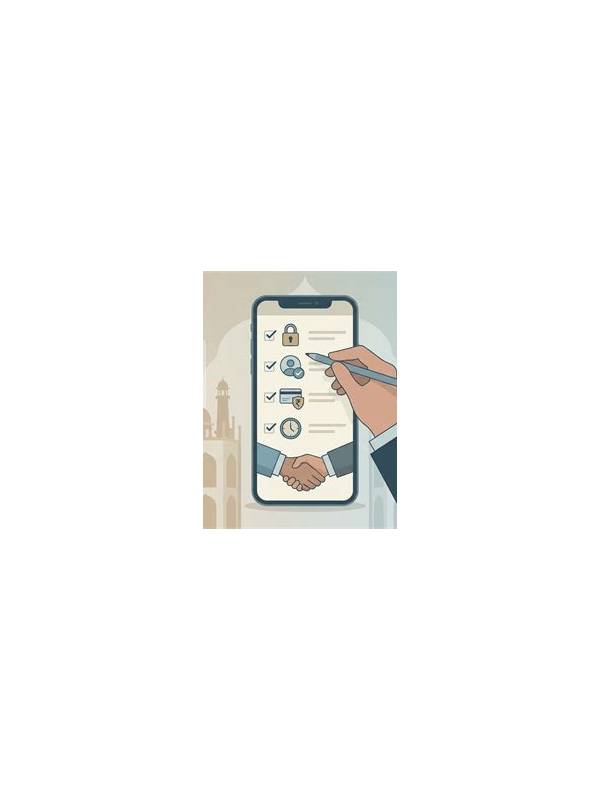
If a rummy platform involves money, decide your spending limit before opening a table. A deposit reminder is useful because it moves the decision away from the excitement of a hand. The reminder can be a calendar note, a device alert, or a written limit placed beside your session plan. It should be easy to see and difficult to dismiss without noticing.
Choose a limit that you can afford to lose without affecting food, bills, savings, or other obligations. Treat the amount as a complete entertainment budget, not as a target to recover. Do not increase it because a session started badly or because a promotion makes a larger deposit feel urgent. A promotion is never a reason to change a limit you set calmly.
Before depositing, read the platform’s current terms, age requirements, location rules, withdrawal conditions, and available responsible-play controls. Check whether reminders, spending caps, cooling-off periods, or self-exclusion tools are offered. If the information is unclear, pause and contact support through the verified channel rather than relying on a message or link sent by another person.
Set a second reminder for the end of the session. When it appears, stop to record the time, amount spent, and how you feel. If you are tired, angry, or tempted to continue solely to change the result, take a break. A loss should not become a reason to deposit more. If controlling play or spending feels difficult, use the platform’s stronger limits and seek help from a trusted person or a local support service.
The reminder is not a prediction about your results. It is a boundary for your attention and money. Make it visible, review it before each session, and accept that stopping on schedule is a successful safety decision regardless of the hand’s outcome. It can help to use two separate reminders: one before play and one halfway through the planned session. The first confirms the limit; the second checks whether your mood, time, and spending still match the plan. If they do not, stop early. Keep notifications private and do not display financial details on a shared screen. A limit is most effective when it is chosen while calm, recorded clearly, and supported by account controls. It should never depend on remembering a promise made during a tense or exciting hand. If a reminder repeatedly arrives after you have exceeded the boundary, move the control earlier and make it harder to ignore.