Rummy Tips: Use a Hand Labeling System Without Revealing Cards
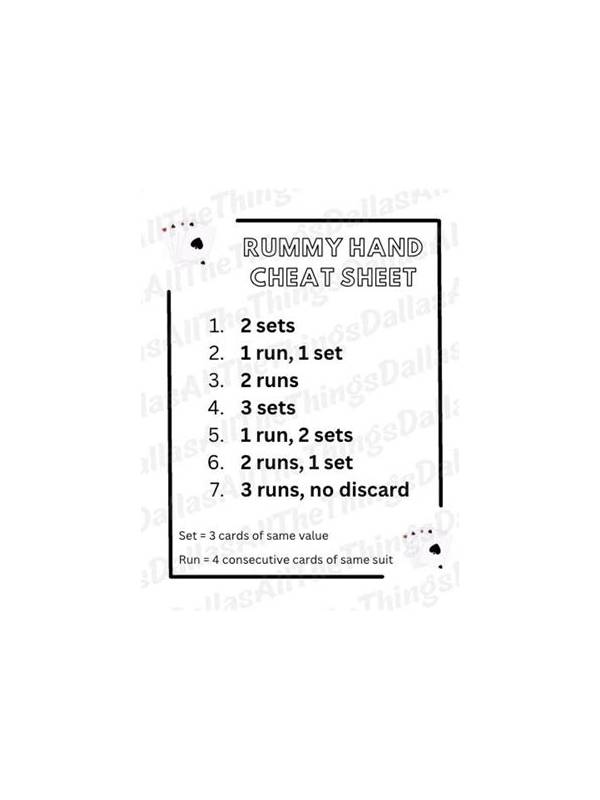
When a hand becomes crowded, players often sort cards repeatedly and lose track of the ideas they were considering. A private labeling system can reduce that mental load. The goal is not to mark cards or create hidden assistance; it is to organize your own thoughts in a way that remains fair and invisible to other players.
Begin with three mental categories: committed, promising, and loose. A committed card already belongs to a strong meld you are unlikely to break. A promising card has at least two useful connections, such as a near sequence or a duplicate that could become a set. A loose card currently has little support. These labels are temporary judgments, not permanent identities. Reassess them after every meaningful draw.
You can add a second label for urgency. Mark a promising group as urgent when it depends on a narrow card or when keeping it costs too many points. Mark it stable when several draws could complete it. This distinction prevents a common error: treating every possible combination as equally valuable. A two-card idea that needs one of several ranks is often healthier than a pair that needs one exact card.
Keep the system private and neutral. Do not tap, stack, or angle cards to signal categories, because visible habits may reveal information and can distract opponents. Instead, use consistent sorting order or a brief internal phrase. If you play online, use only features allowed by the platform. Do not rely on external notes that could violate the rules or compromise another player’s privacy.
The system also helps with discards. Before choosing a card, ask which label it carries now, what information its removal gives opponents, and whether it protects a more flexible group. A loose high card may be an easy discard, but a loose middle card could be more dangerous if it connects to many possible sequences. Labels force you to explain the choice to yourself rather than discard by appearance alone.
At the end of a round, review whether your labels changed at the right moments. If a promising group stayed promising for many turns without improving, your threshold may be too generous. A useful labeling system should make decisions faster, clearer, and easier to review while leaving the actual game completely transparent and fair. n+The categories should never replace counting or checking the rules. They are reminders to examine the hand, not shortcuts that guarantee a correct conclusion. If a group is close, keep labels entirely mental and avoid gestures that could be interpreted as signals. Private organization is useful only when it remains private, fair, and flexible. n+Review the labels after the round and change the wording if it caused confusion. A system is successful when it lowers mental effort, not when it adds another elaborate ritual to every turn or makes a simple decision feel technical.