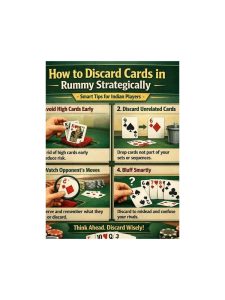
Rummy Comparison: Early Certainty Versus Useful Flexibility
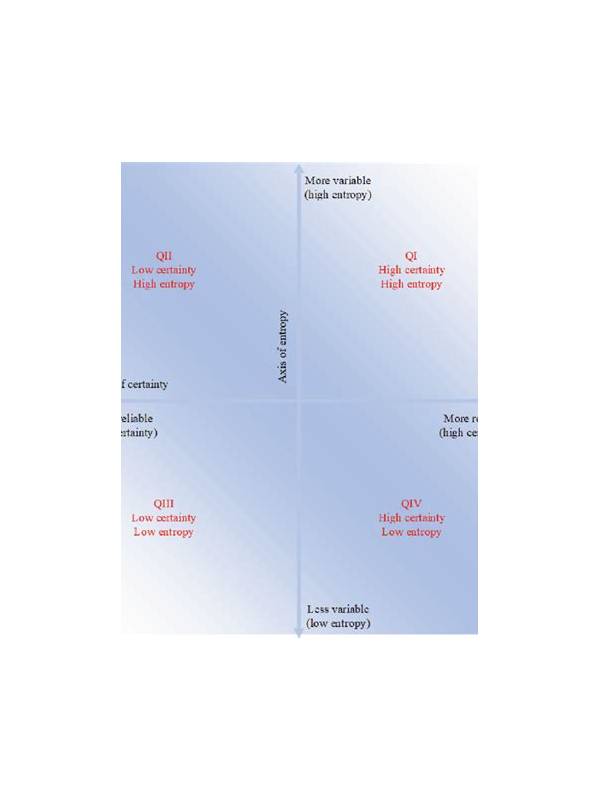
Players often face a choice between locking in a clear group and keeping cards that could serve more than one route. Early certainty feels comfortable because one part of the hand is settled. Flexibility feels less satisfying because it leaves possibilities open. The better choice depends on whether the flexibility is real or merely imagined.
Certainty is valuable when it satisfies an important requirement and reduces the number of problems you must solve. A confirmed sequence, for example, may protect the hand from a late scramble. It can also make a risky high card easier to release. If the group is stable and does not consume a key connector, committing early may be sensible.
Certainty also has a psychological benefit: it can reduce the number of decisions competing for attention. That benefit should be counted carefully. A group is not truly simplifying the hand if maintaining it forces every remaining card into one narrow arrangement.
Flexibility is valuable when the remaining cards have multiple credible uses. A middle card that can join two sequences, or a pair that can become a set without blocking another route, may be worth holding. But flexibility should be described in terms of actual improvements. If every possible route needs a rare card, the hand is not flexible; it is simply undecided.
Compare the options with three tests. Which choice leaves fewer urgent loose cards? Which choice still works after an unhelpful draw? Which choice preserves a legal completion route? The answers often reveal that the most visually complete hand is not the most resilient one.
Timing changes the balance. Early in a hand, a flexible structure may deserve a trial because several draws remain. Near the end, certainty usually matters more because there is less time to repair a speculative plan. Conversely, committing too early can be harmful if it breaks the only bridge connecting the rest of the hand.
Do not treat this as a permanent preference for one style. Strong play includes both decisions. Record the evidence that made a commitment worthwhile or made flexibility worth preserving. A short note after practice will show whether you tend to close routes too soon or keep weak possibilities for too long.
The useful question is not “Which looks better now?” It is “Which choice gives the next few turns a clear and manageable job?”
If the answer changes after a new card, change your plan without treating that change as failure. Flexibility is useful only when it includes the willingness to update. A committed group can remain protected while the rest of the hand takes a different direction.