Rummy Safety: Protect Privacy When Reviewing Game Screenshots
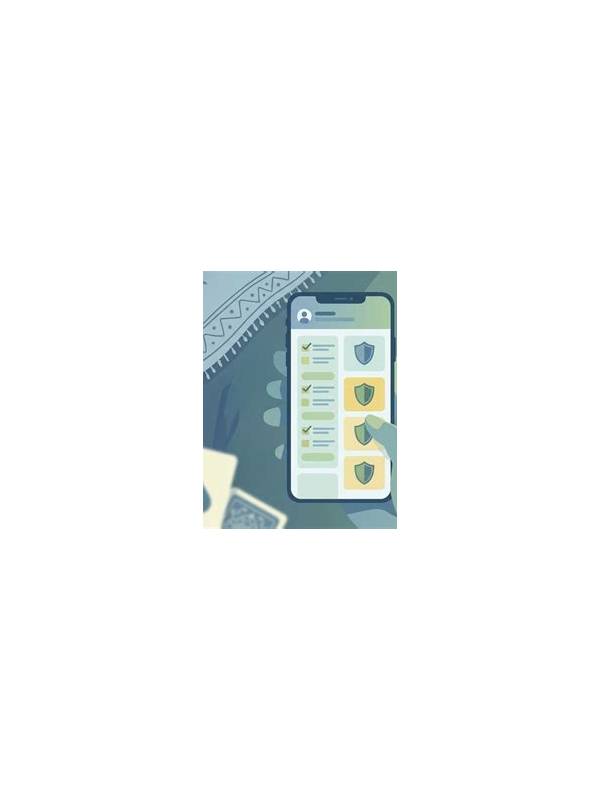
Screenshots can be useful for reviewing a difficult hand, but they may also contain information that should not be shared casually. Usernames, balances, transaction details, chat messages, table identifiers, and notifications can appear at the edge of an image. Check the whole frame before saving or sending it.
Crop the screenshot to the cards and the minimum context needed for the lesson. Remove account names, profile images, wallet amounts, email addresses, phone numbers, and any private conversation. If a table code or session identifier is visible, cover it with an opaque block rather than a translucent marker that might be reversed.
Avoid posting live screenshots while a hand is in progress. A public image can reveal your cards or timing to people who should not see them. Wait until the session has ended and confirm that the image does not expose another player’s private information. When asking a friend for analysis, share only the cards and rules needed to answer the question.
Review the file name and metadata too. A file name may contain an account handle or date that you did not intend to publish. Some images retain location or device information. Use the platform’s privacy settings, and store practice images in a folder with appropriate access rather than a broadly shared album.
Never use a screenshot as proof that someone should send money, disclose a password, or install an unfamiliar app. Images can be edited and can omit important context. If a message claims an urgent account problem, verify it through the official application or support channel instead of following links inside the screenshot.
For practice, create a standard redaction routine: crop, inspect the corners, check the chat area, remove identifying labels, and preview the final image before sharing. If the lesson can be described in text, that may be safer than sending an image at all. A short notation such as “two possible runs and one high isolate” often preserves the strategy question without exposing an account.
Privacy is part of good table hygiene. Treat your own data and other players’ data as separate from the strategy lesson. A careful screenshot review takes seconds and prevents an avoidable disclosure from becoming part of your practice archive.
If you keep an archive, periodically remove images you no longer need. Fewer stored copies mean fewer chances for accidental sharing, and a simple written index can preserve the lesson after the original image is deleted.