Rummy Tips: Use an Evidence Ladder for Table Reads
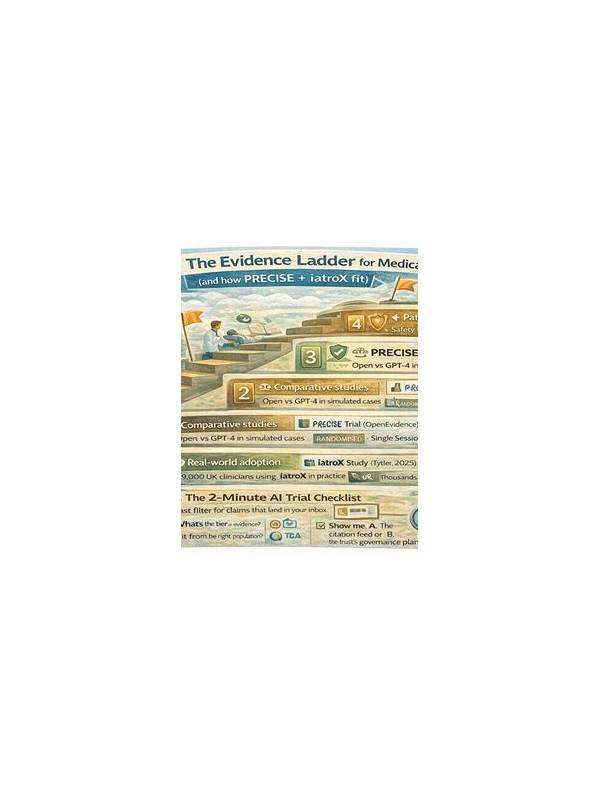
Reading the table can help, but it is easy to turn a small clue into a confident story. An evidence ladder gives each observation a strength level. It helps you use information without allowing speculation to control every discard.
At the first level are direct facts: a card was discarded, a card was taken from the visible pile, or a player declared. These facts are reliable, but they do not explain the full hand. Record them plainly. “The seven of hearts was taken” is stronger than “the player is building hearts.”
At the second level are reasonable patterns. A player who repeatedly takes cards of one rank may be showing interest in a set, but there could be another explanation. A series of discards from one suit may suggest that suit is less useful to that player, yet it is not proof. Treat patterns as prompts for attention rather than instructions.
At the third level are hypotheses. You may think an opponent needs one card to complete a route, or that a visible discard is unlikely to help them. These ideas can guide a tie-breaker when your own hand choices are otherwise close. They should not make you break a strong required structure without clear support.
At the fourth level are stories that cannot be tested. “They must have exactly these cards” is usually too specific. If a conclusion cannot change after any new visible information, it is not useful evidence; it is a commitment. Let it go and return to your own hand.
Apply the ladder during a decision by asking two questions. What do I know directly? What am I adding as an interpretation? If the interpretation is doing most of the work, choose the discard that is best for your structure and point exposure. If the choices are genuinely close, use the observed pattern as a modest tie-breaker.
Review your reads after the hand without trying to prove yourself right. Mark which observations were facts, patterns, or unsupported stories. This creates a calmer table-reading habit. Good attention does not require perfect prediction; it requires knowing how much confidence an observation deserves.
The ladder is equally useful when reading your own assumptions. You may know that a route exists, but only suspect that it is the best route. Labeling that difference reduces attachment. New information can then update the plan without feeling like a contradiction or a personal failure.