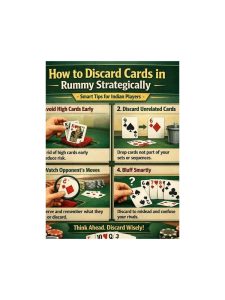
Rummy How-To: Build a Turn-by-Turn Decision Journal
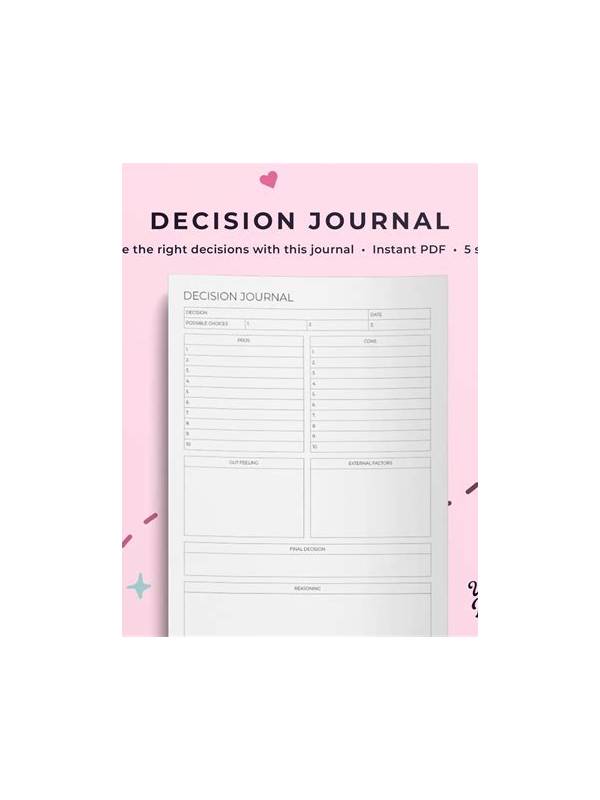
A decision journal can improve rummy practice, but only if it is quick enough to maintain. The purpose is not to record every card. It is to capture the reasoning behind important choices so you can distinguish a thoughtful decision from a lucky result.
Use four columns: turn, choice, reason, and result. In the choice column, note whether you drew from the closed pile or discard pile, what you released, or whether you changed a meld plan. Keep the reason concrete: “kept the middle card because it had two sequence neighbors” is more useful than “it felt flexible.” The result simply records what happened next.
Do not judge a choice only by its result. A sound decision can fail because the required card never appears. A weak decision can succeed through an unlikely draw. During review, first ask whether the information available at the time supported the action. Only afterward should you examine the outcome.
At the end of a round, circle one repeated pattern. Perhaps you hold high cards too long, take visible cards without considering the information revealed, or change plans after one unlucky turn. One pattern is enough for the next practice session. A long list of corrections is difficult to remember and encourages rushed play.
Keep the journal private and simple. A paper note, phone document, or spreadsheet works equally well. Avoid recording information that distracts you during live play. If writing makes you miss turns, use a single keyword and expand it after the round.
Review several entries together rather than overreacting to one hand. Look for decisions that remain reasonable across different outcomes. The journal is successful when it makes your thinking visible, gives you a focused practice goal, and helps you make calmer choices in the next session.
Protect the quality of the notes by writing them soon after the round, while the reasoning is still available. If you remember only the result, say so rather than reconstructing a confident explanation. Over time, honest incomplete notes are more useful than polished guesses. You can also add a short confidence mark—low, medium, or high—to show how certain you were at the moment. This helps you learn whether your confidence is calibrated. This helps you learn whether your confidence is calibrated.
Keep the journal focused on decisions you could control. You do not need to record the identity of other players or speculate about their motives. If a rule of thumb helped, write the situation in which it helped and the situation in which it might fail. This turns a slogan into a usable test. After a week of practice, remove rules that are too vague and replace them with observable triggers.