Rummy Hand Mapping: A Five-Minute Way to See Your Options
When a rummy hand looks messy, the first instinct is often to chase the most attractive pair. A better approach is to map the hand before committing to a plan. Hand mapping is a short review that separates cards already useful from cards that are merely interesting. It does not predict the next draw, but it makes each decision easier to explain.
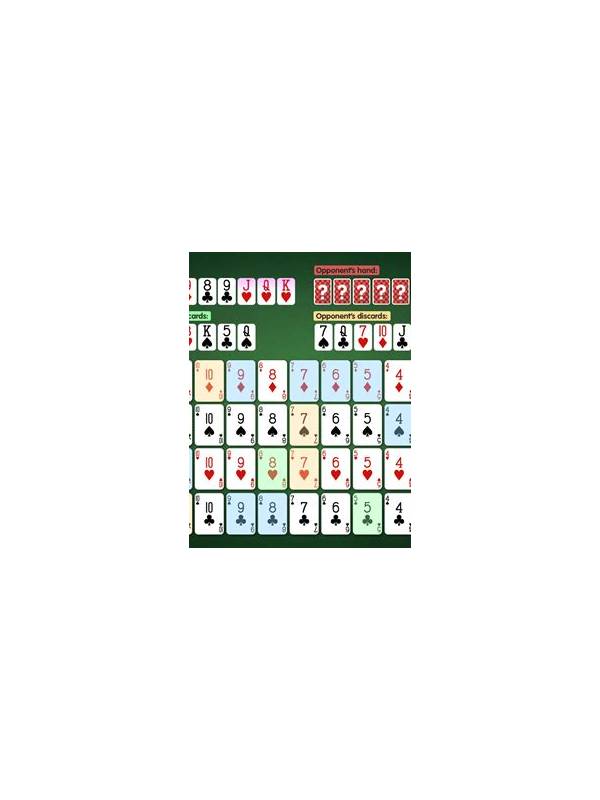
Start by grouping cards that already form a legal or nearly legal structure. A same-suit run with consecutive values is the strongest starting point. A group of equal ranks in different suits is another useful block. Keep these groups physically separate from loose cards. This simple layout prevents one promising card from being mentally counted in two places at once.
Next, mark the connectors. A connector is a card that could join a group in more than one direction, such as a six beside a five and seven of the same suit. Connectors are valuable because they preserve options, but they are not complete combinations. Treat them as possible routes, not guaranteed progress. If two loose cards depend on the same unseen card, record that dependency instead of assuming both will arrive.
Now identify expensive cards with weak links. High cards that do not sit near a run or pair can create a large penalty if the hand ends suddenly. They deserve an early review. A low card is not automatically safe either; an isolated ace or two can remain useless when the rest of the hand develops elsewhere. Judge a card by its connections, not by its face value alone.
Give every loose card one of three labels: keep for now, test for one more turn, or release. The test label should have a deadline. For example, a lone eight may stay while you watch for a matching seven or nine, but it should not survive indefinitely just because it once looked promising. A deadline turns hope into a measurable decision.
Repeat the map after every meaningful draw. The best plan can change when a new card creates a sequence or breaks a previous assumption. A quick map also helps you avoid overvaluing the latest card. Good rummy play is not about finding one perfect arrangement immediately; it is about maintaining the clearest set of workable options as information changes.
Finally, keep the map private and practical. You need only a few groups, a few connectors, and one discard candidate. The purpose is not to calculate every theoretical combination. It is to make the next action deliberate, reduce emotional attachment to a card, and notice when a hand needs a complete reset.