Rummy Safety: Protect Personal Information on Gaming Tables
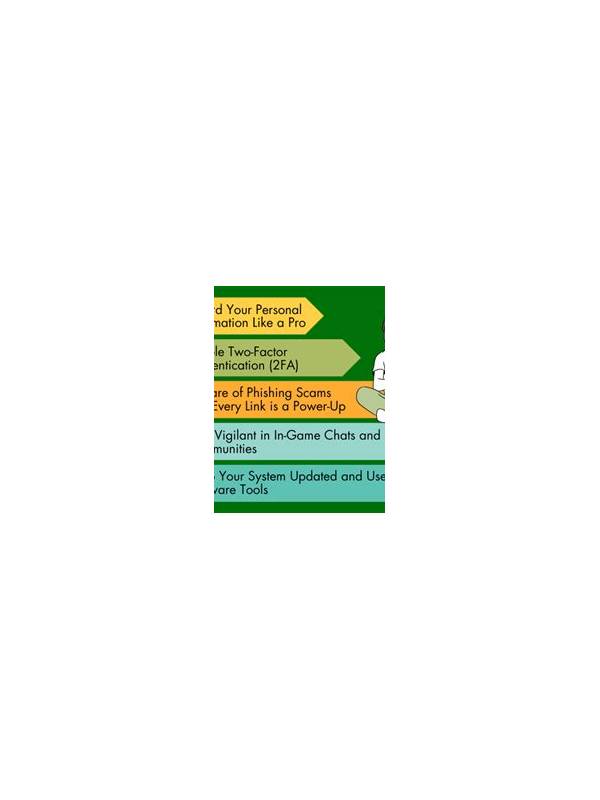
An online rummy table should not require you to reveal more personal information than the service legitimately needs. A username can be part of play; a phone number, address, identity document, or payment detail should never be posted in chat or sent to another player. Treat unexpected requests as a warning, even when they are framed as help with a withdrawal or bonus.
Use a neutral screen name and review what your profile displays publicly. Avoid using an email address, birth date, workplace, or social-media handle as a visible name. Do not share screenshots that contain account identifiers, transaction references, or notification previews. If you need support, use the platform’s official help channel rather than a private message from a stranger.
Keep authentication information private. Legitimate staff should not ask for a password, one-time code, or full payment credentials in a table conversation. Use a unique password and turn on available multi-factor protection. Log out on shared devices, and do not save credentials in a browser that other people can access. Check the device’s lock settings before playing away from home.
Be careful with links and files. A player may claim that a link provides a strategy tool, a special table, or a prize. Do not install an unknown application or enter credentials after following a chat link. Close the conversation and verify any offer through the official site or app. Report suspicious accounts when the service provides a report function.
Privacy is part of responsible play because excitement and urgency make people disclose information quickly. Decide in advance that no prize, recovery offer, or time-limited message will change your privacy rules. If you have already shared sensitive details, change the affected password, contact the official service, and monitor the relevant account through trusted channels. Do not publish a payment receipt as proof that a transaction occurred. If support asks for verification, use only the secure upload method on the official service and hide information that is not required. Keeping conversations inside verified channels reduces the chance that a helpful-looking stranger can redirect you. Remember that customer support will not become more legitimate because a message uses a logo or an urgent tone. Verify the address independently and take time before replying. Privacy decisions should never be made under pressure. If someone claims your account will be closed unless you act immediately, stop and verify independently. Pressure is a common reason people bypass normal privacy checks and send information they would otherwise protect.