Rummy How-To: Build a Decision Tree for a Joker
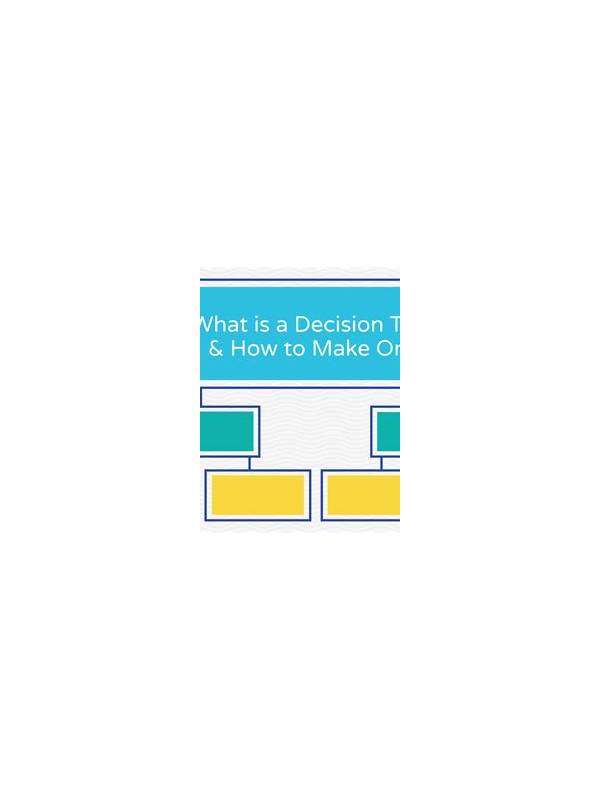
Jokers create flexibility, but flexibility can also produce indecision. Rather than placing a joker wherever it looks useful, build a short decision tree before committing it. The tree should compare legal completion, hand safety, and future options.
Start with the non-negotiable requirement: a valid declaration normally needs the required pure sequence or sequences. Check whether the joker is needed to protect that structure. If moving it elsewhere would remove your only pure route, its destination is already constrained. Table rules differ, so confirm the exact declaration requirement before relying on a general example.
Next, list the joker’s possible jobs. It may complete a near sequence, complete a set, or reduce the points of an otherwise isolated card. For each job, ask how many cards remain necessary after the joker is placed. A joker that finishes a group now may be stronger than one that merely makes a pair more attractive. Avoid counting a possibility that depends on several narrow draws as if it were certain.
Then consider reversibility. Can you move the joker later without damaging a confirmed group? A flexible placement may be worth preserving when it supports two routes, especially early in the hand. Near the end, immediate legality and point reduction may matter more than keeping every option open. The correct choice can change as the hand develops.
Finally, check the discard consequence. Using a joker in one group may leave an ordinary card free to discard, while using it in another may force you to release a useful connector. Make the decision tree brief: pure requirement, strongest completion, flexibility, and discard result. Once the choice is made, stop revisiting it unless new evidence changes the hand. A joker is a planning resource, not a reason to postpone every other decision. Write the decision in plain language when practicing: “joker protects the pure route” or “joker finishes the lowest-risk group.” This keeps the choice tied to a rule rather than to the excitement of seeing a wildcard. If a later draw changes the priorities, rebuild the tree instead of defending the first placement. Do not use a joker decision tree to bypass a rule explanation. Wildcard treatment varies, and a legal-looking group may still fail the platform’s declaration test. Verify the rule first, then compare placements. The tree is most valuable when it ends in an action. Decide where the joker goes, identify the next discard, and return attention to the rest of the hand instead of continuously reopening the same question.