Rummy Card Groups: Test a Group Before You Trust It
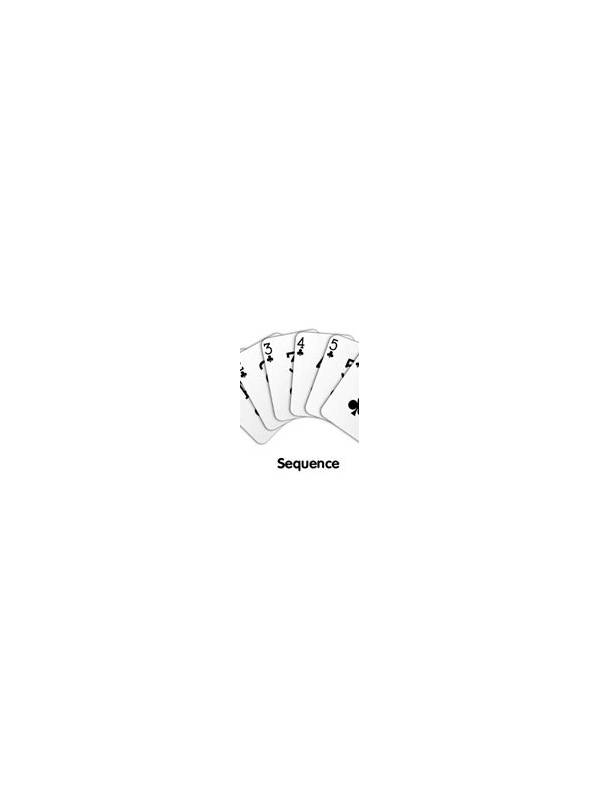
A group can look useful because its cards share a suit, rank, or visual pattern. Yet appearance alone does not make it a reliable part of a rummy plan. Before committing several turns to a group, test what it actually contributes, what it still needs, and what it prevents you from doing elsewhere.
First, name the group’s role. Is it already a valid sequence, a set, a pair, or merely a collection of related cards? Naming it accurately prevents wishful thinking. A same-suit run with one gap is a developing sequence, not a finished group. Three matching ranks may be a set, but if a rule requires additional structures, that set does not complete the hand by itself.
Second, list the useful additions. A broad group may accept several ranks or suits; a narrow group may accept only one exact card. Count realistic improvements rather than every theoretical card. If your group needs a card that has already appeared in the discard pile, its practical value is lower. If a joker can help, remember that using it may leave another part of the hand without the required natural structure.
Third, test the cost of keeping it. Which card are you refusing to discard because of this group? What point value remains exposed? Does the group block a stronger arrangement that uses one of its cards? A group is not automatically good because it contains low cards, and a high-card group is not automatically bad if it is already secure. Judge it in the context of the whole hand.
Finally, set a review point. After the next draw or two, reassess the group as if you had just received it. If it has not improved and the alternatives are better, release it. This reset is important because players often protect a group simply because they have already spent time building it. Time spent is not evidence that the group will succeed.
The test takes only a few seconds once practiced: identify the group, count useful additions, measure its cost, and set a deadline. It turns vague optimism into a visible decision. Some groups will survive the test and deserve attention. Others will be released early, leaving room for a more adaptable plan.