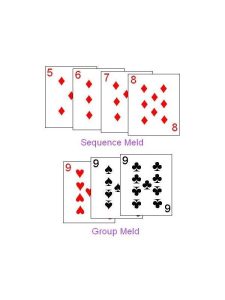
Comparing Single-Deck and Double-Deck Rummy Decisions
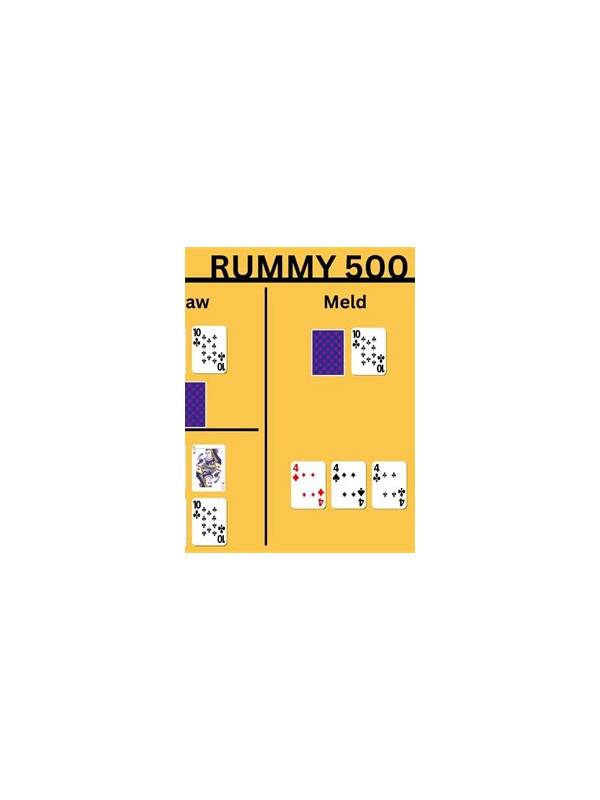
Before copying a strategy from another table, identify its deck assumptions. A tip based on scarcity may work differently when two copies of each card are available.
Ask the same question about joker count and hand size. These details alter how quickly groups can form and how much information a visible card provides. Confirm the full format before comparing results across tables.
Single-deck and double-deck rummy can share familiar rules while creating different information problems. In a single deck, a visible card removes one copy from the available pool. In a double deck, the same observation is less conclusive because another copy may still exist. The distinction affects memory, discard reading, and confidence.
In a single-deck game, suit and rank observations can narrow possibilities quickly. If one card is in your hand and another is visible in a group or discard pile, you can treat those copies as unavailable under the normal rules. This does not tell you exactly what remains, but it gives a stronger boundary for planning. Careful observation may therefore support a more specific decision.
In a double-deck game, avoid transferring that confidence. Seeing one eight of a suit does not mean the other copy is gone. A discarded card may be useful to another player even when one copy has already appeared elsewhere. This makes the discard pile a source of evidence rather than a final answer. Keep your conclusions broad unless several observations point in the same direction.
The practical adjustment is to change your memory target. In a single deck, record exact cards that affect a narrow route. In a double deck, record repeated signals: the same rank appearing, a suit being picked up more than once, or a discard pattern that suggests a common need. You do not need to memorize everything. You need to avoid treating one observation as certainty.
Deck size also changes the value of a flexible card. In a single deck, a card with several possible connections may become harder to replace when related cards appear. In a double deck, replacements may remain available longer, but opponents may also have more chances to build the same kind of group. Flexibility is still useful, yet it should be evaluated alongside exposure and timing.
Before joining a table, confirm the number of decks, joker supply, hand size, and declaration rules. Then write one sentence describing the information standard: “I will treat exact sightings as strong evidence” or “I will treat sightings as partial evidence.” This small adjustment keeps a familiar strategy from becoming overconfident in a different deck environment.