Rummy FAQ: Is the Discard Pile Always Better Than a Blind Draw?
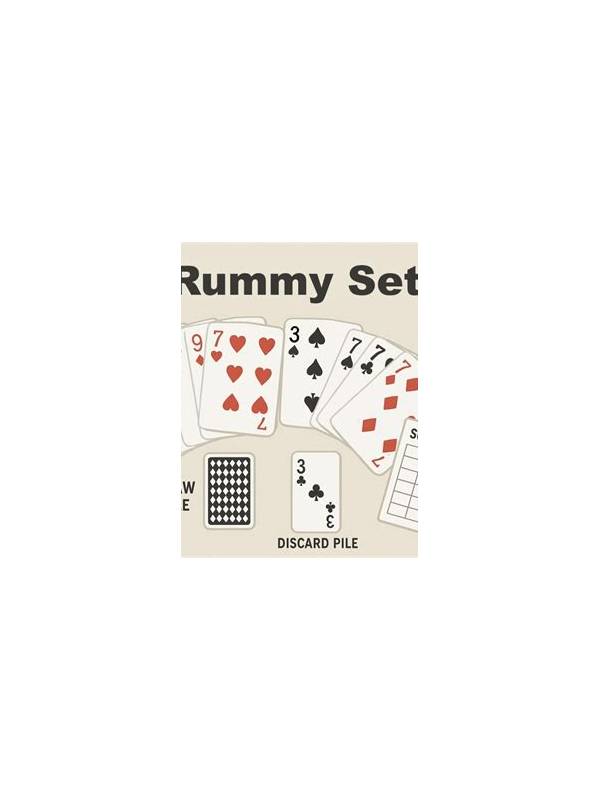
Taking a useful card from the discard pile can feel safer than drawing blindly. The card is visible and its role is clear. Yet the choice has two costs: other players learn something about your hand, and the pile may no longer offer the same range of future options. A blind draw is not automatically worse.
Start with direct value. Does the visible card complete or strongly improve a group that supports your required structure? If yes, the information it gives away may be acceptable. If it only creates a speculative pair, compare it with the value of keeping your plan hidden and seeing a random card.
Then inspect what you must discard. Picking up a card can make your next discard more predictable. If the only available discard clearly exposes the group you just built, consider whether an opponent can use that signal. You do not need to hide every plan, but you should recognize when the exchange reveals more than it gains.
The discard pile also contains history. A visible card may be attractive because it fits your hand, while its neighbors have already appeared and make completion less likely. Conversely, a blind draw may preserve uncertainty and leave multiple routes open. Evaluate the whole route, not just the immediate match.
Use a simple comparison: direct improvement, information cost, and backup value. Give each option a quick rating. If the discard-pile card wins clearly on improvement and does not destroy your backup, take it. If the advantage is narrow, the blind draw may be the more flexible decision.
Rules and table format can affect this choice, so confirm them before playing. The purpose of the question is not to make one source universally correct. It is to prevent the visible option from receiving an automatic bonus merely because it is visible. Good decisions compare certainty with flexibility.
Also consider the information value of leaving a card untouched. A blind draw tells you less about your own route immediately, but the resulting card may reveal a new possibility without signaling it to others. In a quiet practice hand, compare both sources deliberately. The exercise teaches when visibility is an advantage and when it is simply a distraction from the larger plan.
Make the comparison before touching either source so the attractive visible card does not anchor you.
You can practice this with two imagined options: a known connector from the pile and an unknown draw. State the best reason for each, then choose based on the hand’s objective. Repeating the exercise builds a habit of comparing sources instead of assuming that visible information is automatically superior.