How to Read a Rummy Tournament Schedule
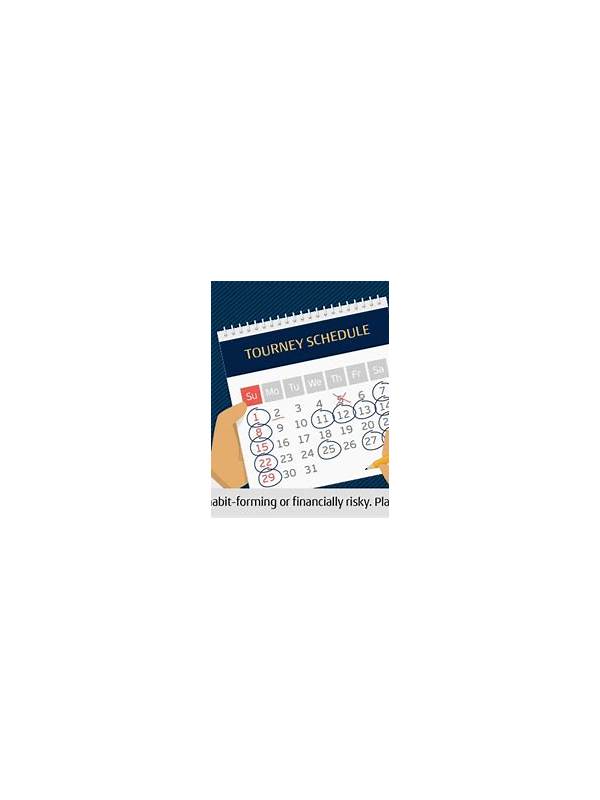
A tournament schedule is more than a list of start times. It tells you how long an event may last, how entries are organized, and what kind of decisions you will face. Reading it carefully can prevent rushed registration and make your session easier to plan.
Start with the format. A points event may reward a strong individual round, while a pool or deals format can require patience across several hands. Some schedules use a knockout structure, and others combine qualifying rounds with a final table. Do not assume that two events with similar names have the same scoring system. Find the rule description and note how a winner is determined.
Next, check the start window and late-entry rule. An event that permits late entry may still give early players a position or chip advantage. If registration closes at a fixed time, allow a few minutes for login, identity checks, and reading the table screen. A schedule should also show whether breaks are planned. A long event without a visible break may not suit your available time.
Look for the number of players, minimum entry requirement, and prize distribution. A larger field can mean a longer event and a wider range of experience. Prize information matters, but it should not be the only reason to join. Read any cancellation, refund, or disconnection terms before committing funds. If those details are missing, ask support or choose a clearer event.
Finally, match the schedule to your own limits. Decide in advance how much time and money you are willing to use. Keep an alternative activity ready if the event ends early or you decide not to continue. Good schedule reading is a practical habit: understand the structure, confirm the conditions, and join only when the event fits your plan.
It is also useful to compare schedules on a neutral day, before the pressure of a starting countdown. Note whether the event is recurring, whether the displayed time uses your local time zone, and whether the schedule shows a maximum duration. A published end time is an estimate in some formats, not a promise. If you have a work, travel, or sleep commitment, leave enough room for an overrun. When a schedule uses unfamiliar abbreviations, expand them before registering. Understanding small labels early is easier than trying to solve them while a timer is running. Before registering, check whether the schedule identifies a named organizer and an official contact route. This makes later questions easier and reduces reliance on copied listings. A trustworthy schedule should explain its key terms in plain language. If a detail affects cost, duration, eligibility, or ranking and cannot be found, treat that absence as meaningful information. Choosing a clearly documented event is part of responsible preparation.