Rummy Card Identity Versus Card Role
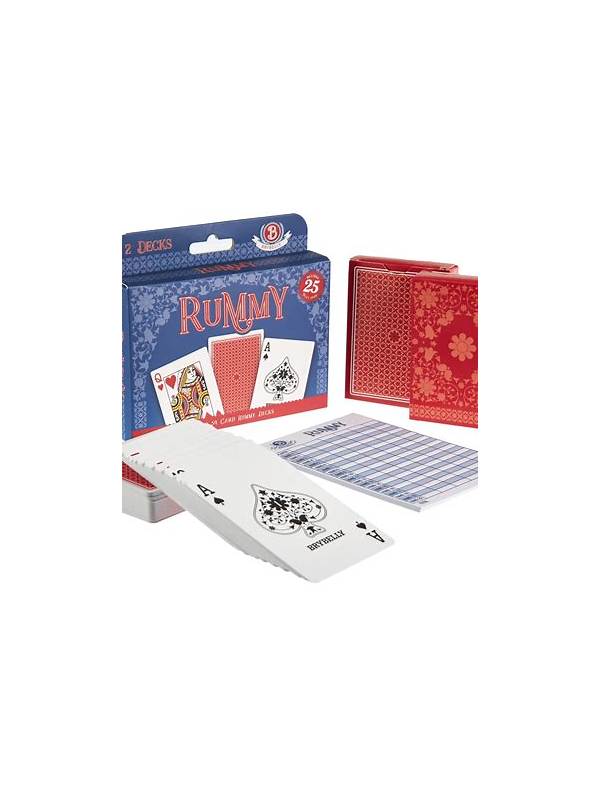
Players often describe cards by identity: ace of clubs, nine of hearts, and so on. That is useful for reading a hand, but decisions improve when each card also receives a role. A card may be a confirmed group member, a sequence connector, a flexible bridge, a speculative hold, or deadwood.
Start by labeling confirmed groups first. A complete valid group should not be disturbed casually. Then label cards that have two realistic uses. A middle card may connect to either side of a sequence, while a high card may have only one narrow path. The label describes current function, not permanent value.
After every draw, ask whether a card’s role changed. A new connector can make an old speculative card unnecessary. A missing card can turn a flexible bridge into deadwood. This prevents you from keeping a card simply because it once looked promising. Roles should be updated from evidence, not loyalty to an earlier plan.
Use role labels when comparing discards. Suppose one card is high but completely isolated, while another is low and part of two possible routes. The high card may be the better discard even if its face value feels more important. Conversely, a low card that blocks a nearly complete group may deserve protection.
Role-based sorting also helps on a small screen. Keep confirmed groups together, place flexible cards in a separate area, and move uncertain cards to the edge. The arrangement turns a visual scan into a quick inventory. Do not let the layout become rigid; reorganize whenever the hand’s structure changes.
For practice, deal a sample hand and give every card one role before drawing. Then revise three roles after each simulated turn. The exercise teaches that card value is contextual. Identity tells you what the card is; role tells you what decision it supports right now.
Role labels can be especially helpful when a hand contains several cards of the same rank or suit. Similar-looking cards may have different jobs because one completes a group while another only supports a speculative connection. Labeling removes the pressure to treat matching features as equal value.
During review, ask whether your role assignment was supported by at least one concrete route. If not, mark the card as speculative next time. This gentle distinction improves discipline without requiring complex calculations or a perfect prediction of the remaining deck. Over time, the labels make it easier to explain why a discard was chosen and what evidence would change that choice.