
Rummy Comparison: Immediate Completion Versus Structural Resilience
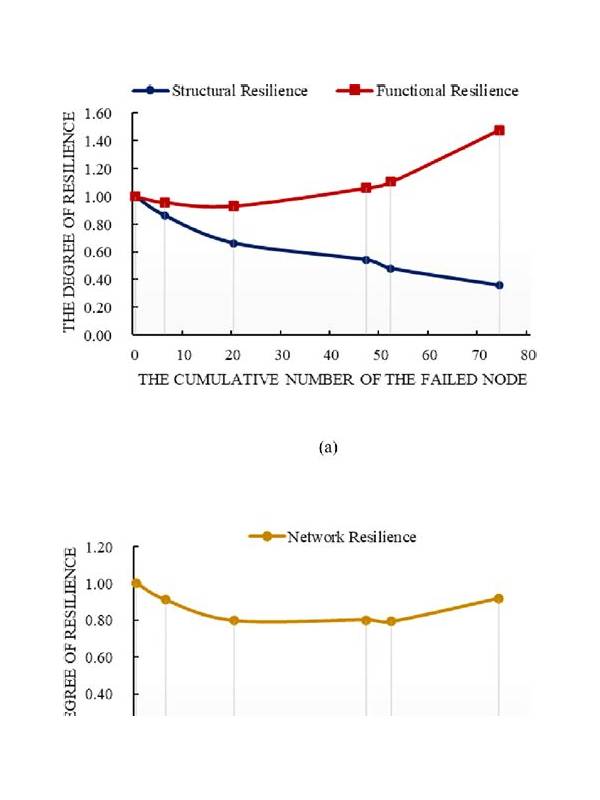
Immediate completion and structural resilience are two different qualities in a rummy plan. Immediate completion means a route may finish with one known or plausible card. Structural resilience means the hand remains workable if that card does not arrive. Good decisions compare both rather than assuming the fastest-looking route is best.
A near sequence can be attractive because its missing card is obvious. Yet if the sequence uses a shared connector or leaves a high unsupported card behind, completion may solve only part of the hand. A broader arrangement may take another turn but preserve several legal options and reduce the damage of a miss.
Compare routes with a small table in your notes: missing cards, shared cards, point exposure, rule contribution, and fallback after one miss. The route with the shortest distance deserves attention, but the fallback column shows its real cost. A route that loses all value after one failed draw is fragile. One that still leaves a pair or an alternate sequence is resilient.
Hand stage matters. Early in a round, resilience can be valuable because there is time to build. Near the end, immediate completion may deserve more weight if the alternative cannot become legal in time. The same hand can therefore justify different priorities on different turns.
Do not confuse resilience with keeping every possibility. A hand with six weak ideas is not necessarily robust. Resilience means that the remaining cards support at least one credible route after a setback. Remove speculative plans that compete for attention without contributing to a legal finish.
Use the comparison during practice and write one sentence explaining the choice: “I accepted one more draw because the route kept a second fallback.” Afterward, assess the decision using only information available then. The goal is to understand the trade-off, not to celebrate or criticize the eventual result. In a live table, explain the choice to yourself in one line before acting: “This route is one card away, but it has no fallback,” or “This slower route keeps the required natural structure.” The sentence prevents the comparison from collapsing into a vague feeling of safety and creates a useful note for later review. Structural resilience is also different from playing slowly. A player can make a quick resilient decision after recognizing a fallback, while a fragile plan can consume many seconds without becoming safer. Use the comparison to clarify the choice, then act within the table’s time and rule constraints.


