Rummy Comparison: One-Screen Notes Versus Paper Notes
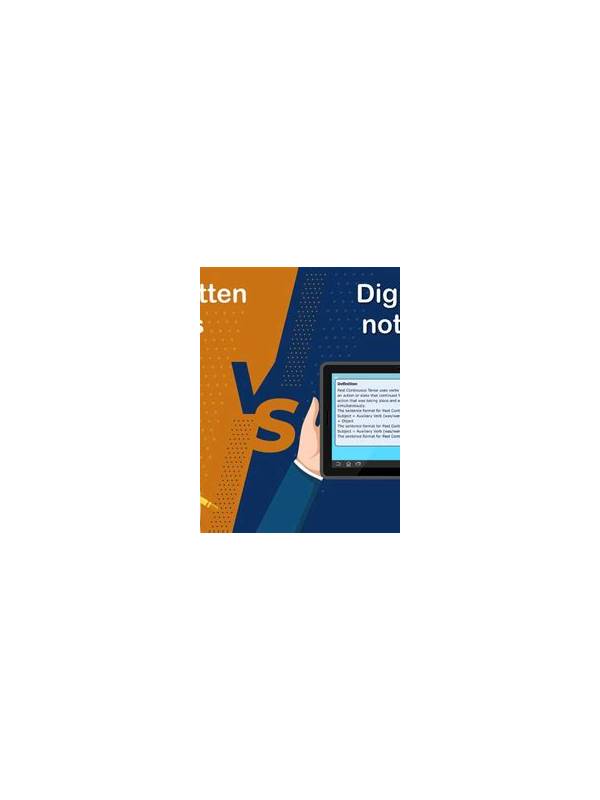
Notes are useful when they preserve a decision without making the session harder to follow. A one-screen note is convenient during digital practice, while paper notes can reduce switching between apps or windows. The better format depends on what you need to remember and how much distraction the table creates.
One-screen notes are easy to update. You can write the current route, a missing rank, or a review question beside the hand. They are searchable and simple to reuse across sessions. Their weakness is visual crowding. Notifications, small text, and constant editing can pull attention away from the cards. Keep the note to a few labels rather than a complete transcript.
Paper notes encourage slower, deliberate marks. A small grid can show cards, routes, and discarded assumptions without changing screens. This can be helpful when learning a concept or reviewing a hand after it ends. Paper is less convenient for long-term searching, and loose pages can expose information if they are left in a shared space.
Choose the format by task. Use a one-screen note for a short prompt such as “check alternatives before discarding.” Use paper for a post-session timeline, a comparison of two routes, or a diagram that needs space. During an active hand, the simplest note that preserves your focus is usually the safest choice.
Whichever format you choose, avoid recording sensitive account details, payment information, or identifying data. Label practice hands with neutral names. Review notes later and remove anything that no longer teaches you something. A large archive is not automatically a useful archive.
Test both formats for a week. Compare how often you consult them, whether they interrupt decisions, and whether they produce a repeatable lesson. Good notes should make thinking clearer, not turn every turn into paperwork. Select the tool that supports attention first and memory second.
If a format makes you look away from the hand too often, simplify it immediately. A single prompt can preserve the benefit without adding friction. Notes are an aid to attention, so the moment they compete with attention, they need to become smaller.
An effective note can be three lines: current route, missing information, and next review point. This format works on paper or one screen and limits the temptation to narrate every action. If you share a device, protect the note from people who should not see your practice information. At the end of a session, close or store it deliberately. Good note hygiene includes clear thinking and appropriate privacy.