Rummy Comparison: Open-Ended Plans Versus Defined Plans
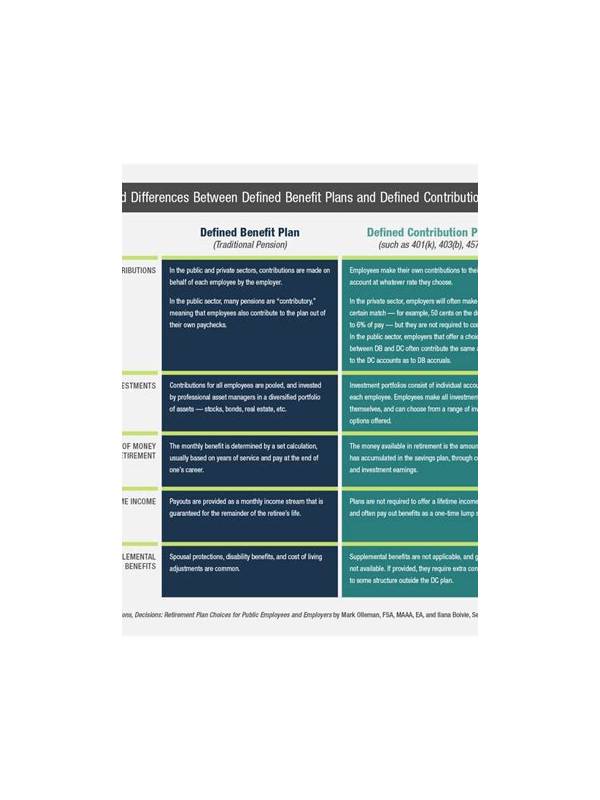
An open-ended rummy plan keeps several possible melds alive. A defined plan assigns cards to specific sequences or groups and aims to complete them efficiently. Neither style is automatically better. The useful comparison is how each plan handles uncertainty, wasted cards, and the approach of a final declaration.
Open-ended planning is helpful at the beginning of a hand. You have limited information, so keeping a few plausible connections can prevent an early commitment to a weak route. It also makes a new draw easier to use. The cost is that too many possibilities can leave no clear discard and can hide the cards that are truly unproductive.
A defined plan is easier to evaluate. Each card has a role, each missing card is visible, and the next discard often becomes obvious. This clarity is valuable when the hand is mature or the table is moving quickly. The danger is rigidity. If the needed card does not arrive, a defined plan can cause you to protect a failing structure for too long.
Use a simple transition rule. Begin with two or three possible arrangements, then define a plan when one route gains stronger evidence or reduces the number of unmatched cards. Keep one fallback rather than every imaginable alternative. If a defined plan misses its deadline, reopen the hand and compare it with the best fallback. This creates flexibility without returning to total uncertainty.
The right plan also depends on the format and your risk tolerance. In a practice round, an open-ended approach can help you learn how cards interact. In a serious session, a defined route with a clear exit may be easier to manage. Whichever style you choose, ask whether you can name the next useful draw, the next safe discard, and the point at which you will change direction. If you cannot, the plan needs more definition. One warning sign is a plan containing many cards that are “waiting for something.” Count those waiting cards and ask whether they support the same route or several unrelated ideas. If they are unrelated, the plan is probably too open-ended. If they support one route, give it a deadline and define the discard that will follow a miss. A plan becomes useful when it guides a choice. It is not useful merely because it can explain every card after the fact. Review the plan whenever a card changes its role. If an open-ended hand gains a confirmed meld, define the remaining cards more tightly. If a defined hand loses its only realistic completion card, reopen the comparison instead of protecting the old labels.