Rummy Comparison: Planned Draws Versus Reactive Draws
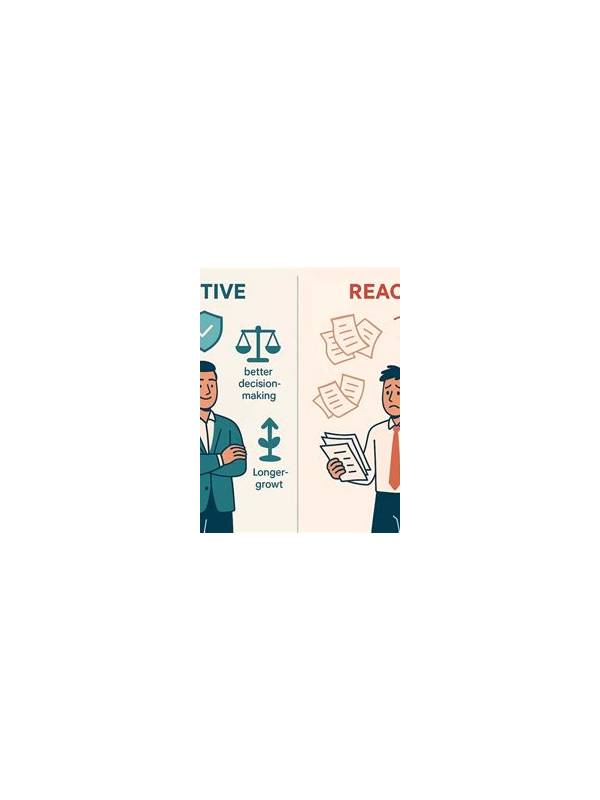
A planned draw follows a route you identified before the turn. A reactive draw responds to a newly visible card or a change in the table. Comparing them clarifies when patience is useful and when fresh information deserves priority.
Planned draws offer consistency. You know which ranks, suits, or duplicates support the route, so the next decision has a clear standard. This prevents every attractive visible card from pulling the hand in a new direction. The danger is rigidity: a plan can remain active after the evidence that supported it has disappeared.
Reactive draws offer adaptability. They recognize that a public card may create a stronger or more flexible arrangement than the one you expected. This is useful when the new information changes the hand materially. The danger is impulse. A card can look promising without improving the complete structure, especially when it breaks a stable group.
Use a planned draw when your route has several useful outcomes, the hand remains flexible, and no stronger public signal has appeared. Use a reactive draw when it creates a clear improvement, reduces dependence on one exact card, or protects you from a route that has reached its expiry point. In both cases, compare what the draw adds with what it makes you discard.
Timing matters. Early in a hand, a planned route can be given room to develop. Later, a reactive choice may be necessary because the cost of waiting has increased. The rules and scoring system also matter, so the same card decision should not be copied blindly between formats.
For practice, replay a hand twice: once following the original plan and once allowing a reactive switch only when a written condition is met. Compare the resulting structures, not just the winner. The objective is a decision rule that combines preparation with evidence. Plan enough to avoid drifting, and react enough to notice when the table has genuinely changed.
Keep the condition visible in your practice notes. If you cannot state why the switch was allowed, it was probably a reaction to attraction rather than evidence. A clear condition also makes the exercise fair because both versions of the replay follow an understandable rule.
One compromise is to plan a primary route and a switch condition. Continue with the planned draw until a public card creates a route with at least two useful outcomes, or until the original route expires. This keeps reactive play tied to evidence and makes review easier. Ask whether the condition was present and whether the new hand was actually broader. The aim is not to remove surprises, but to give surprises a sensible place in the plan.