
Rummy Comparison: Strong Links Versus Many Weak Links
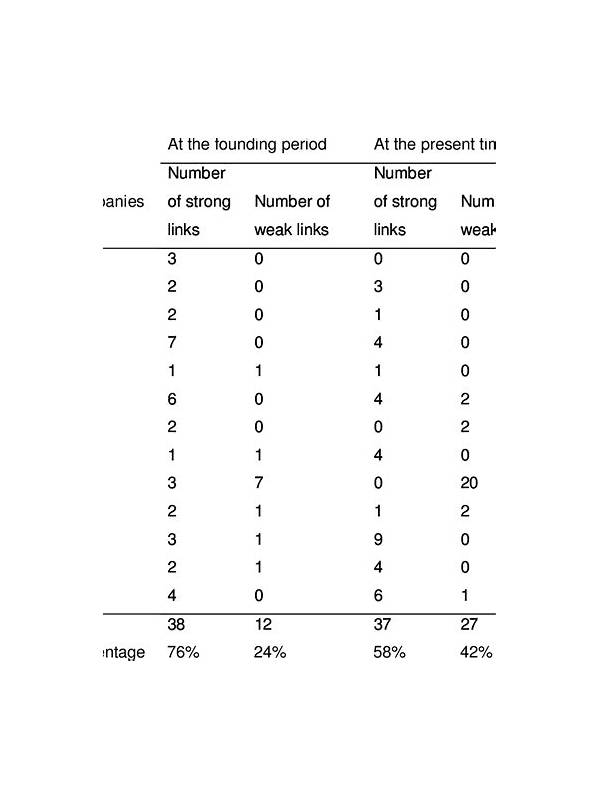
A rummy hand can contain one strong connection or several weak connections. A strong connection might be two neighboring cards of the same suit, while weak connections may be scattered pairs that need different ranks or suits. Neither shape is automatically superior. The right choice depends on the rules, the number of draws available, and the cost of abandoning an idea.
Strong links are easy to explain. They usually need one nearby card and remain useful even when another route fails. They also simplify visual scanning. Their weakness is commitment: if the missing card does not appear, the hand may spend too long protecting a narrow plan. A pair of consecutive cards is evidence, not a promise.
Many weak links offer flexibility. If one route closes, another may still survive. However, each route competes for the same cards and attention. A hand can look busy while making little progress. Weak links also encourage wishful counting, especially when a player treats every possible arrangement as equally likely.
Compare the two shapes with four questions. How many cards complete each route? How many of those cards are still plausibly available? Can a single card serve two routes without breaking a completed group? Finally, what will you discard if the next draw fails? The last question exposes hidden costs. A route that has no safe exit may be less useful than a slightly weaker route with a clear fallback.
Consolidation is sensible when one strong link supports a required natural sequence or when the alternative ideas all need unrelated cards. Keeping multiple routes is sensible when the links share useful cards and no route has consumed too many turns. Set a review point rather than defending a decision forever. After one or two unhelpful draws, compare the hand again from the beginning.
The aim is not to collect the greatest number of possibilities. It is to maintain enough flexibility while making visible progress. Strong links deserve attention, but weak links can provide valuable insurance. Treat each as a temporary hypothesis, measure its completion cost, and let the next draw update the comparison. One practical test is to imagine the next draw is unhelpful. Which shape leaves a sensible discard and a legal route? This counterfactual reveals the hand’s resilience. It also explains why a player may release a card that appears useful: the card may support a strong link but leave no workable plan after a miss. Review that trade-off after the hand instead of judging it only by the result.


