Rummy Comparison: Track Cards by Suit or by Rank
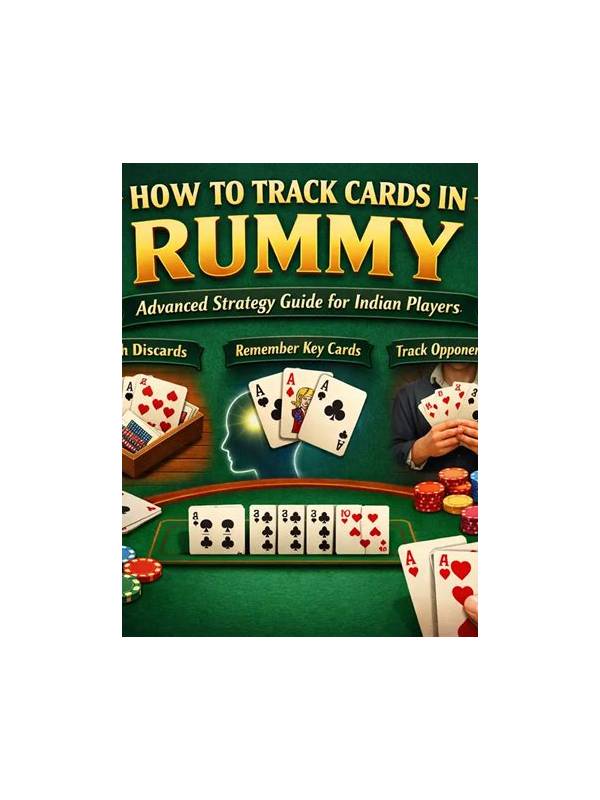
When one card supports both a sequence and a set, let the format’s requirements determine which lens comes first. Familiarity alone should not decide.
If memory feels difficult, use a short summary such as “two sequence gaps, one rank pair, three loose cards.” The summary preserves structure without demanding a complete inventory of every visible card.
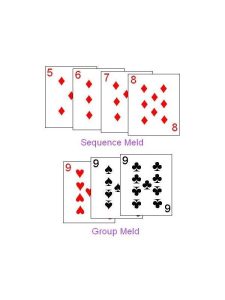
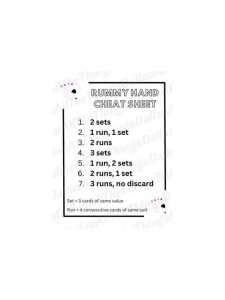
Card tracking can become exhausting when players try to remember every detail. A simpler approach is to choose whether the current question is mainly about suit or rank. Suit tracking helps with sequences; rank tracking helps with sets. The better method depends on the structure of your hand and the decision in front of you.
Track by suit when you are building or protecting a run. Note the relevant neighboring ranks and whether a missing card could arrive from either direction. If you hold five and seven of the same suit, the six is an obvious connection, while four and eight may create additional routes depending on the rules. Observing which cards of that suit have appeared can help you judge whether the route remains open.
Track by rank when you are evaluating a set. If you hold two cards of one rank in different suits, the question is about matching ranks in the remaining suits. Watch for visible copies, but avoid treating one sighting as proof that no other copy exists when the format uses more than one deck. Rank tracking is also useful when comparing a pair with a sequence route.
The main advantage of focused tracking is reduced mental load. Choose one primary lens for the turn and use the other only for a specific comparison. For example, if your best route is a sequence, track the two missing neighboring ranks and keep a general awareness of set possibilities. Switching constantly between complete suit and rank inventories can make the hand less clear.
Use a small table in practice: decision, primary lens, cards remembered, and result. After several hands, notice which lens you neglect. A player who sees every possible run but misses duplicate-rank opportunities may need a rank checkpoint. Another player may chase sets while overlooking a simple sequence that satisfies a format requirement.
Tracking is a support for decisions, not a promise of a draw. The strongest habit is to connect the observation to an action: protect a flexible card, lower confidence in a narrow route, or choose the discard that creates fewer problems. Suit and rank are two views of the same hand; select the view that answers the question you actually have.