Rummy Comparison: Visible Cards Versus Player Behavior
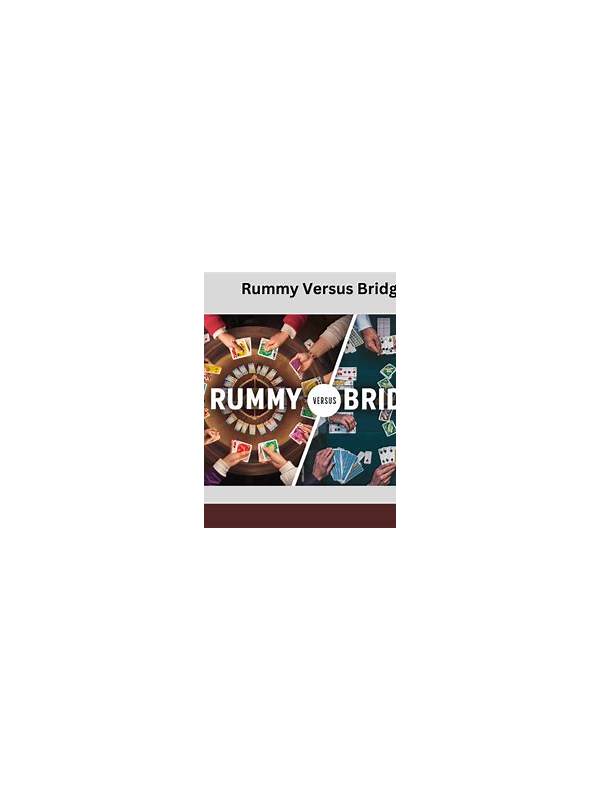
Rummy decisions involve both open information and hidden information. The discard pile, visible groups, and actions at the table are open. The remaining cards, private plans, and future draws are hidden. Strong judgment uses both without pretending that one can reveal the other completely.
Open information is useful because it can narrow a decision. If several cards of a rank are already visible, a matching-rank plan may be less attractive. If a player repeatedly takes cards from one suit, that may indicate a direction worth monitoring. These are signals, not proof. Players can change plans, test a draw, or take a card defensively.
Hidden information creates uncertainty that cannot be solved by confidence. You do not know whether a needed card is still available or whether an opponent has already built a group. Use language that reflects this: “less likely,” “still possible,” or “worth one more turn.” Avoid statements such as “they definitely need this card” unless the rules and visible cards make it unavoidable.
Compare routes using the evidence available now. A route supported by an existing sequence and several unseen helpful cards may be stronger than a route suggested only by an opponent’s single discard. Open information should update your plan, not replace your own hand structure.
The safest way to learn from table signals is to keep a small uncertainty margin. If a player takes a card, do not block every neighbor of that card immediately. Instead, avoid giving an obvious continuation when an equally good discard exists. This protects you without allowing speculation to damage your hand.
After the hand, separate correct reasoning from lucky results. A hidden card can make a sound decision fail, while an unsupported guess can succeed. Review what the open information actually justified at the time. This distinction keeps your strategy adaptable, evidence-based, and honest about what no player could know. Visible cards are usually firmer evidence because they are directly observable. Player behavior is more ambiguous: a quick pickup may reflect a plan, a test, or convenience. Give behavior a lower confidence level unless several actions point in the same direction. Comparing evidence quality helps you stay responsive without dramatic conclusions based on one gesture. When evidence conflicts, prefer direct card facts over a speculative story about behavior. A visible card is unavailable regardless of what a player appears to signal. If behavior suggests a risk but the cards offer a strong route, protect your route first and choose a neutral discard if possible. After the hand, compare the signal with the actual result without assuming the result proves the interpretation. This keeps observation useful and modest.