Rummy FAQ: Does a Faster Decision Mean a Better Decision?
Does a faster decision mean a better decision?
No. Speed is useful when the choice is routine and the hand is already understood. It is harmful when it replaces sorting, legality checks, or a comparison of alternatives. A fast decision is good only when it is fast because the reasoning is clear.
When should I decide quickly?
Routine choices can be quick: taking the required action, releasing an isolated card with no connection, or following a previously defined stop rule. Quick action also helps when the table clock is genuinely short, provided you have already established your groups and checked the rules.
When should I slow down?
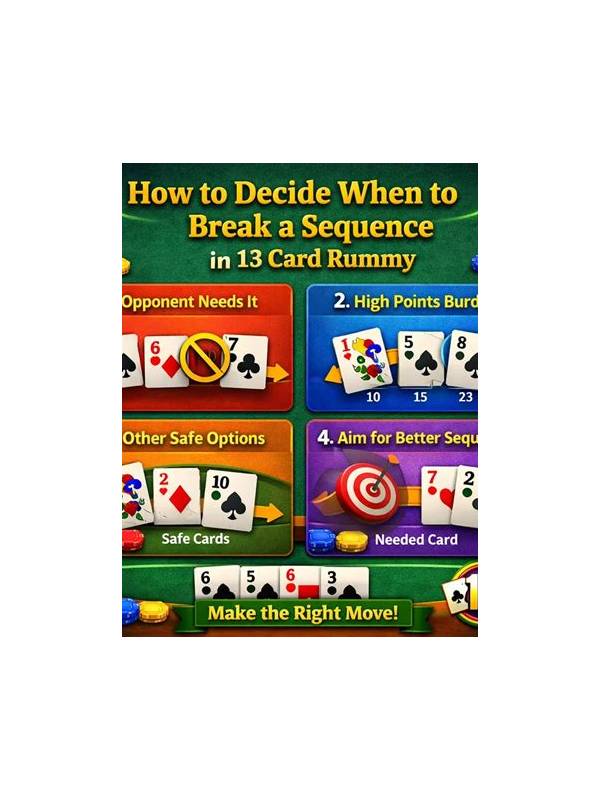
Pause after a joker, a major rearrangement, a tempting high-value card, or a draw that creates several competing plans. Slow down before declaring and whenever you are about to break a confirmed sequence. These moments change the structure of the hand and deserve more than an automatic response.
How can I avoid overthinking?
Use a fixed short routine. Sort by group, identify the weakest structure, compare the new card with the best alternative, and state the discard reason. If the choice passes the routine, act. Avoid searching for certainty because the deck cannot provide it.
Is speed a useful practice metric?
Only alongside accuracy and calmness. Record whether you made the intended check, not simply how many seconds a turn took. A player who acts quickly but repeatedly misses stranded cards is practicing haste, not efficiency.
The best rhythm alternates between automatic and deliberate phases. Routine turns should not consume all attention, while structural changes should receive a real pause. This rhythm protects the game from both impulsive mistakes and unnecessary analysis. If you notice that speed is coming from anxiety rather than familiarity, treat that as a reason to pause. Lower the stakes, leave the table, or return to an offline practice hand. A timer can explain urgency, but it does not make an unclear action correct. Calm, repeatable checks are the best foundation for becoming faster later. Use a simple distinction: routine speed comes from preparation, while anxious speed feels like an urge to escape uncertainty. The second kind deserves a break. In practice, place the cards into groups, name the legal requirements, and only then choose an action. If the timer makes that impossible, select a lower-pressure format or practice away from a live table. Faster play should be the result of clearer habits, not a goal that overrides them.