Rummy FAQ: What Is a Good Reason to Abandon a Draw?
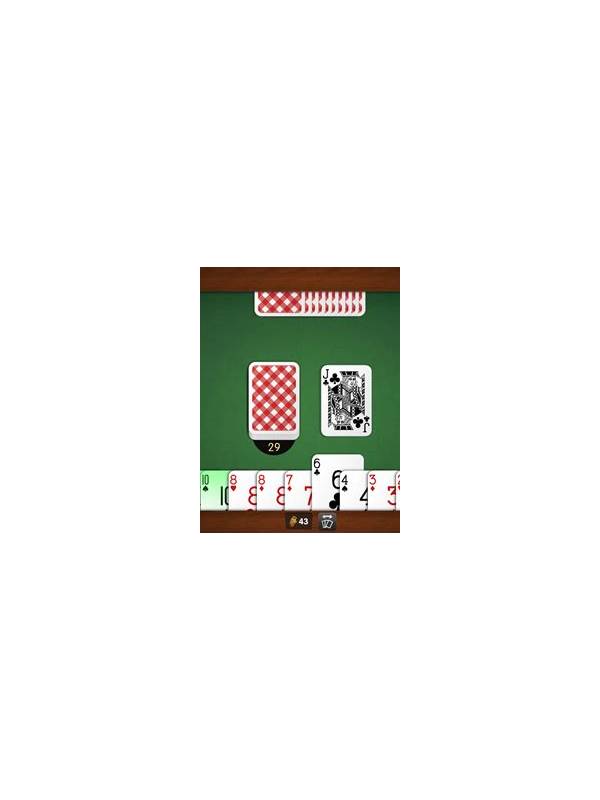
A draw should be abandoned when continuing no longer offers a reasonable balance between improvement and cost. This is not the same as giving up after one miss. It is a structured response to changing evidence.
The first reason is a rising replacement cost. If the route now needs one exact card and leaves several high-value cards exposed, waiting may be worse than switching. The second is a rule conflict. A promising combination may not help you meet the table’s required structure, so its visual progress can be misleading. The third is a deadline: the number of turns you allowed for the plan has ended.
Visible information can also change the decision. Several needed cards may have appeared in the discard pile, reducing the route’s practical value. This does not prove that the route is impossible, but it can make the fallback more responsible. Likewise, a discard that repeatedly signals a useful card to an opponent may increase the cost of staying with the plan.
Before abandoning the draw, say why in one sentence. “The route is now narrow, the penalty is high, and my fallback is available” is better than “this feels bad.” Then choose the next plan immediately: reduce points, protect a completed group, or build a different legal route.
Review the decision later without using the eventual result as proof. A failed draw can still have been worth trying, and a successful late draw can still have been an expensive gamble. The quality of the decision depends on the evidence and limits available when you made it.
There are also responsible reasons to abandon a draw unrelated to card strength. If you are tired, distracted, or feeling pressure to recover a previous loss, decision quality may be falling. A break can be the correct fallback. In practice, stopping enables honest review; at a timed table, use the simplest safe plan rather than adding complexity.
The skill is not quitting early. It is recognizing when the original reason for waiting no longer exists and responding before the cost becomes larger.
An exit is a decision about resources, not a judgment about your ability.
A clear exit can also protect the quality of the review. You can examine the original route later, after the pressure of the live hand has passed.