Rummy FAQ: Should You Keep a Pair With No Clear Third Card?
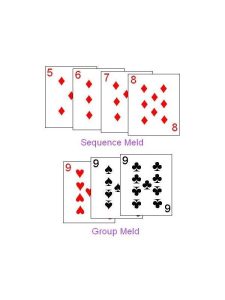
A pair with no obvious third card is neither an automatic keep nor an automatic discard. Its value comes from the number of realistic ways it can improve, the quality of the rest of your hand, and the number of turns available. A pair that supports several plans can be stronger than a single connected card, while a pair surrounded by dead cards may become a burden.
First check whether the pair is already part of a broader structure. If one card also connects to a sequence and the other belongs to a possible second group, the pair has flexibility. If both cards have the same narrow role and no visible support remains, treat it as a single plan rather than two independent assets. This prevents the familiar mistake of counting quantity instead of options.
Then inspect the alternatives. Would discarding one member leave a useful connector? Would keeping both force you to abandon a nearly complete sequence? Compare the pair with the best card you could draw from the stock or take from the visible pile. You do not need exact probabilities; you need a practical estimate of whether the pair is improving your hand more than another card would.
Timing matters. Early in a round, a pair can deserve a trial turn because there is room for change. Later, the same pair may be too slow if it needs one specific rank and you still have other unresolved groups. Set a deadline: after the next meaningful draw, either the pair gains support or one member becomes the exit card.
Also consider the opponent’s information. A paired rank may be a poor discard if the visible play suggests another player is collecting it. That does not make the pair valuable by itself, but it can change which member you release first. Safety can influence the order of your decisions without changing the underlying value of the cards.
The short answer is to keep a pair when it has more than one credible route or when the rest of your hand gives it time. Break it when it is consuming space, depends on one unseen card, and blocks a clearer structure. Make the judgment from the whole hand, not from the comforting appearance of two matching cards.
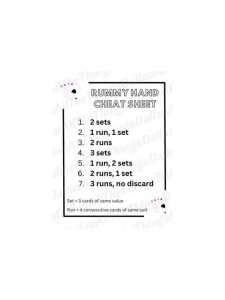
Remember that house rules and formats can change the value of particular ranks or combinations. Apply the same framework to the rules you are actually using, and confirm special declaration requirements before relying on a pair as part of a final hand.