Rummy Guide: Use a Minimum-Evidence Rule for New Plans
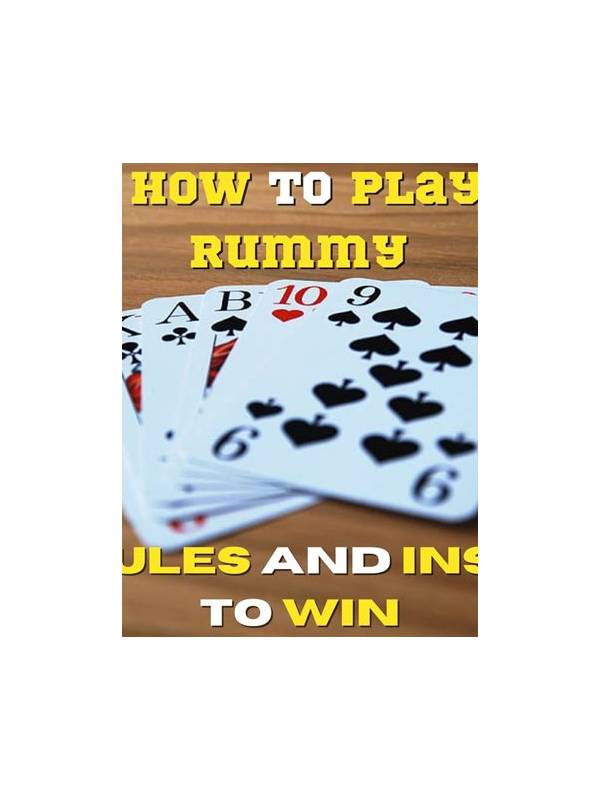
Rummy hands can become unstable when each new card creates a new plan. One useful response is a minimum-evidence rule: do not reorganize the hand around a fresh idea until it has enough support to compete with the current plan. The rule is not a rigid mathematical law. It is a practical guard against chasing every possibility.
Choose the evidence threshold before you play. For instance, require two connected cards, a clear extension to an existing group, or a direct improvement that resolves a rule requirement. A lone card that would be helpful if two more cards arrived does not meet the threshold. The exact threshold should be simple enough to remember and appropriate to the number of turns available.
When a new card appears, classify it. It may strengthen the current plan, create a qualified alternative, or be an attractive distraction. If it strengthens the current plan, keep the structure stable and reassess the weakest card. If it qualifies as an alternative, compare its cost with the cost of staying put. If it is only a distraction, discard it unless the existing plan is already failing.
The rule should become more flexible as the hand develops. Early in a hand, you may test a low-cost alternative because several draws remain. Later, demand stronger evidence because changing direction consumes scarce turns. Also relax the rule when a plan has become impossible under the applicable rules. A threshold is meant to organize attention, not force you to defend a dead strategy.
Review your use of the rule after play. Record one moment when you changed plans too quickly and one when you held a plan too long. The balance matters. Good discipline means allowing evidence to update your structure while refusing to confuse hope with evidence. With practice, the minimum-evidence rule becomes a quiet checkpoint that keeps the hand coherent.
The rule is especially useful when a hand contains several cards that are individually attractive. Instead of asking which card looks best, ask which plan has crossed the evidence threshold and which plan is merely asking for permission to exist. This language can reduce impulsive switching. It also makes a post-game review easier because you can identify the exact moment a plan earned attention or failed to earn it. The rule is especially useful when a hand contains several cards that are individually attractive. Instead of asking which card looks best, ask which plan has crossed the evidence threshold and which plan is merely asking for permission to exist. This language can reduce impulsive switching. It also makes a post-game review easier because you can identify the exact moment a plan earned attention or failed to earn it.