Rummy Guide: Turn a Loose Hand Into Two Clear Plans
A loose hand is not necessarily a bad hand. It is simply a hand in which several cards suggest different futures. You may have a connected pair in one suit, a possible set elsewhere, and several isolated high cards. The useful response is not to force the first attractive combination. Instead, create two clear plans and let later draws decide which one deserves attention.
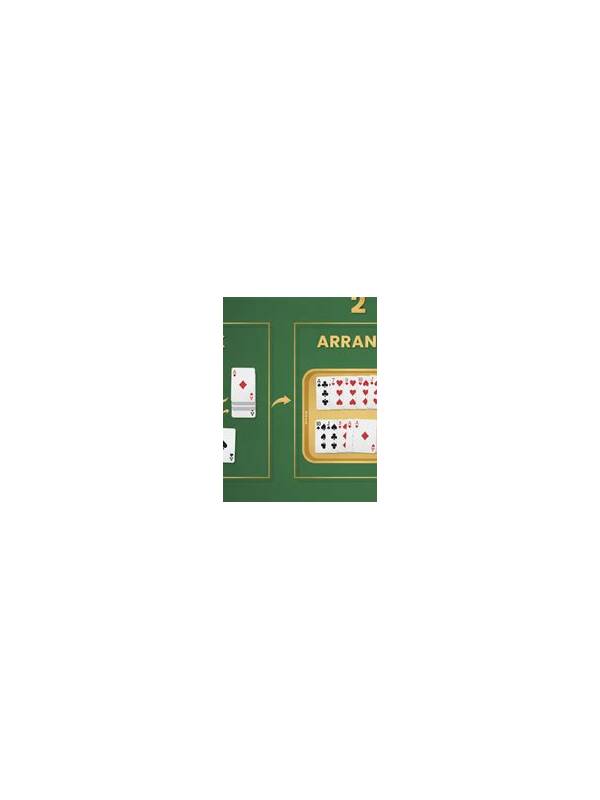
Begin by sorting the cards by suit and rank. Mark every card that already belongs to a natural sequence, every card that could join a set, and every completely isolated card. The first plan should use the strongest existing relationship. For example, a four and five of the same suit have a direct path to a three or six. The second plan should use a different structure, such as a pair of the same rank or a nearby run in another suit.
Keep the plans separate while you evaluate them. Do not count one card as supporting both plans unless it genuinely can serve both without creating confusion. A six that extends a five-four run may also sit near another sequence, but assigning it twice can make the hand look more developed than it is. Writing each plan as a short list makes this mistake easier to spot.
After each draw, ask three questions. Did the new card improve plan one, improve plan two, or improve neither? Did the discard pile provide evidence about a useful card being unavailable? How many turns can you reasonably wait before the weaker plan becomes expensive? These questions convert a vague feeling into a comparison.
When one plan gains a second supporting card, promote it. Then release the least useful card from the abandoned plan, especially if it carries a high penalty or blocks a more flexible draw. A plan does not need to be perfect before it becomes the working plan; it only needs to be clearly better than its alternative.
There is also value in keeping one bridge card temporarily. A bridge connects two plausible plans and may be worth retaining if it has low point value and several useful destinations. Set a deadline for it, however. If no plan improves after two or three turns, exchange the bridge for a card that reduces risk.
This method is helpful in practice because it preserves choice without preserving every card. You start with two hypotheses, test them against new information, and then spend your hand on the plan that earns support. The goal is not to predict the perfect finish at the opening. It is to make uncertainty smaller with every turn.